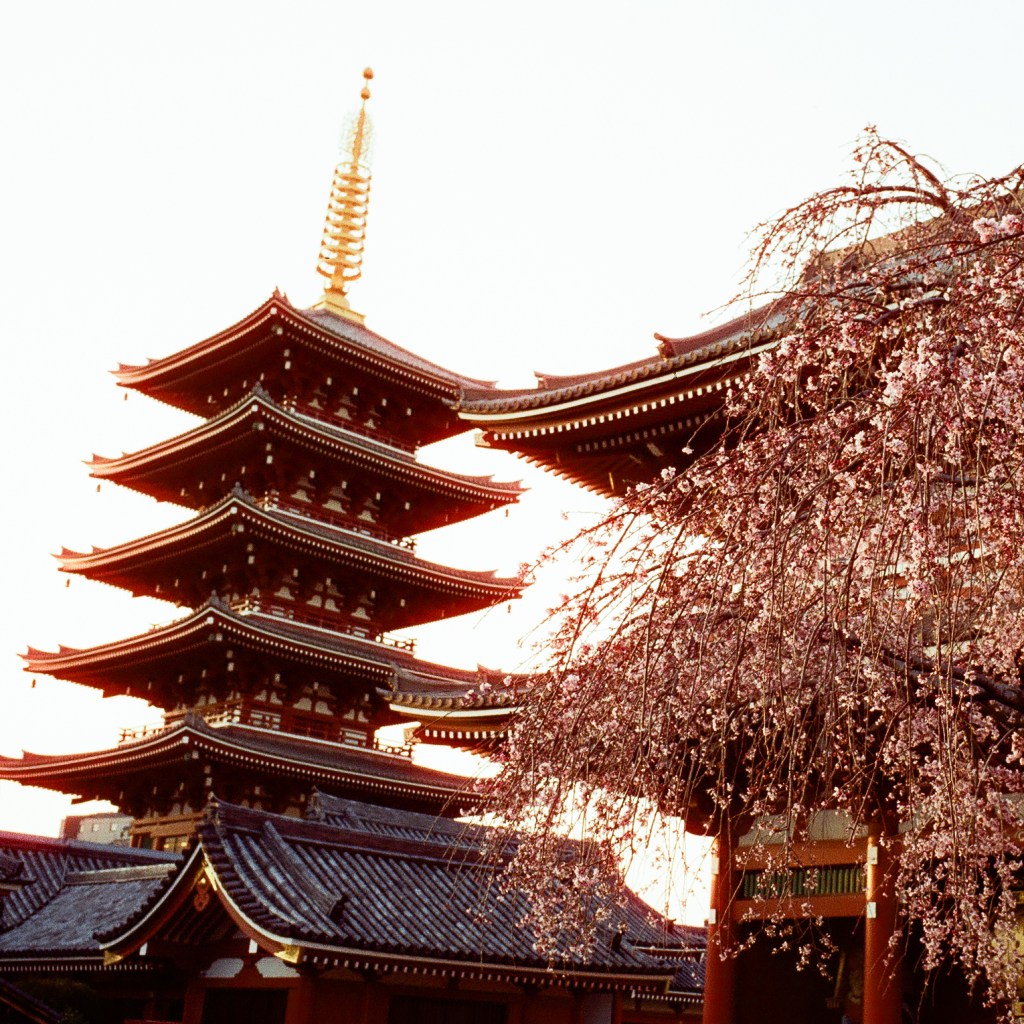
Follow along as I spend three days shooting street photography on film in Tokyo — from golden hour at Senso-Ji to late-night neon in Shibuya, all with a surprise camera failure and a last-minute gear swap that kept things exciting.
They say your second trip to a place is better than your first. Well, this trip is my second time in Tokyo and I wanted to test this theory. My first time in Japan was in the fall of 2024 with several friends and I wouldn’t change that experience for anything. We had a blast soaking up the sights, sounds, and smells — all while making photos and battling jetlag! While I was pleased photographically speaking, I couldn’t help but feel as if I could have made more solid images. The quality of the good photos was high, but the quantity of good photos wasn’t what I was hoping for. And that is ok! I really was trying to experience a new place. But for this trip, I was intent on a more focused photography mindset. I want to bring you along with me for a first-hand account of my second time photographing Tokyo, Japan.
I made two big changes the moment the trip started:
- I landed at Haneda instead of Narita, allowing me to arrive to my hotel in under half an hour instead of ninety minutes.
- I had a better game plan to combat jet lag – be as exhausted as possible the minute I stepped onto my flight. I was much more relaxed than the first trip as I began the journey west and was able to rest for the first half of the flight. I didn’t have any noticeable effects of jet lag on this trip, which really made the first couple of days remain as much more vivid memories than the grogginess I felt the prior time.
I stayed in the Nihonbashihamacho neighborhood of Chuo City at the Hamacho Hotel. I highly recommend it. The hotel was well-maintained with awesome access to a plethora of cafes, small shops, and convenience stores. This area a bit east of Tokyo Station and Ginza was much quieter than some parts of Tokyo, which provided for a restful haven to spend the nights. The hotel was around a ten minute walk to the nearest major subway station, which I actually enjoyed. The walk there and back every day provided me with a chance to warm up my eye as I began my mornings as well as helped me see more parts of the neighborhood.
Night 1: A Broken Leica M6
I was excited to meet up with David, who had already been in Tokyo for a couple of days. As soon as I dropped my large luggage bags into our room, my brain swiftly went into photo mode. I had my Leica M6 and the intention of shooting a large sum of film. Before even leaving the hotel, I loaded up a roll of Kodak Portra 160 into my M6 and took a few frames in and around the hotel.
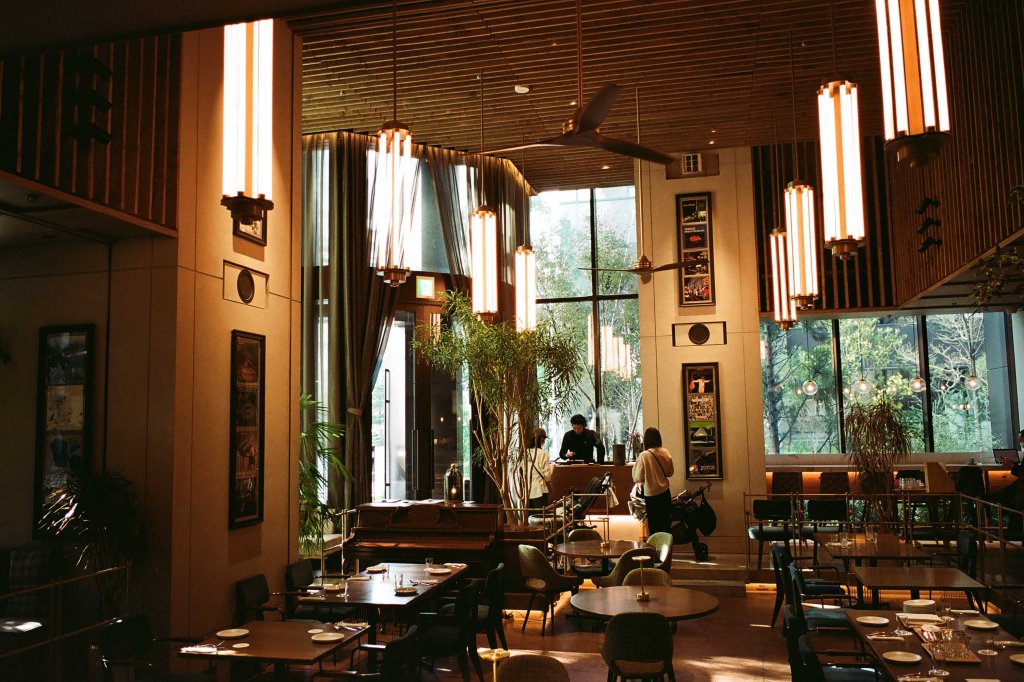
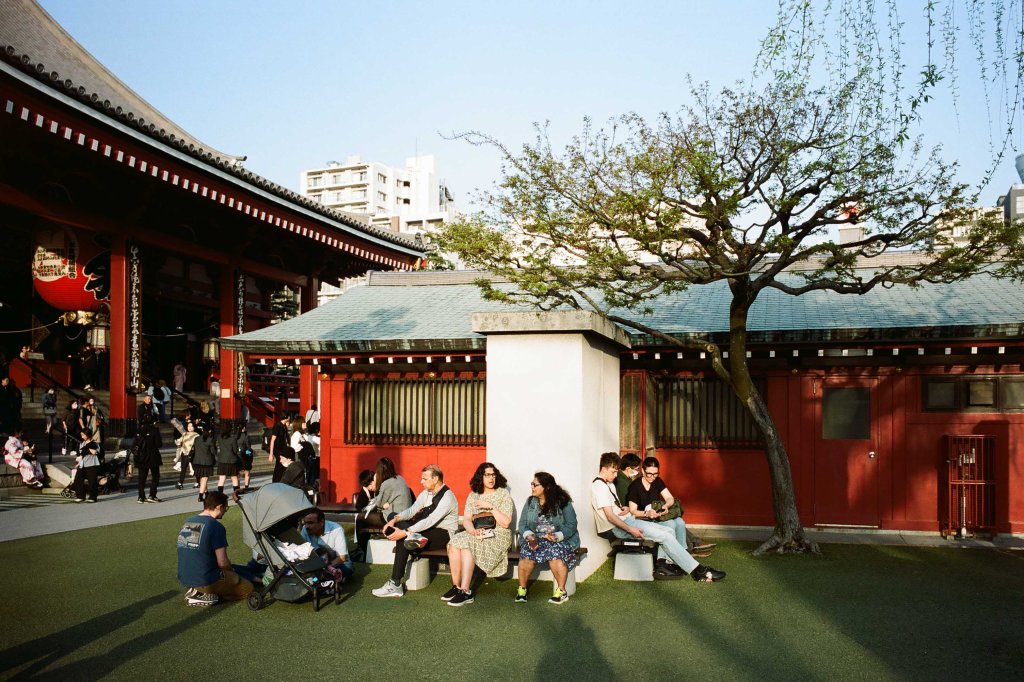
We immediately headed for what promised to be an epic golden hour at Senso-Ji Temple. The area was packed with many people out enjoying their evening and taking in the several lovely cherry blossom trees dotted around the property. A few images really jumped out at me from this location; specifically the ones featuring the vibrant red hues from the buildings around the grounds.


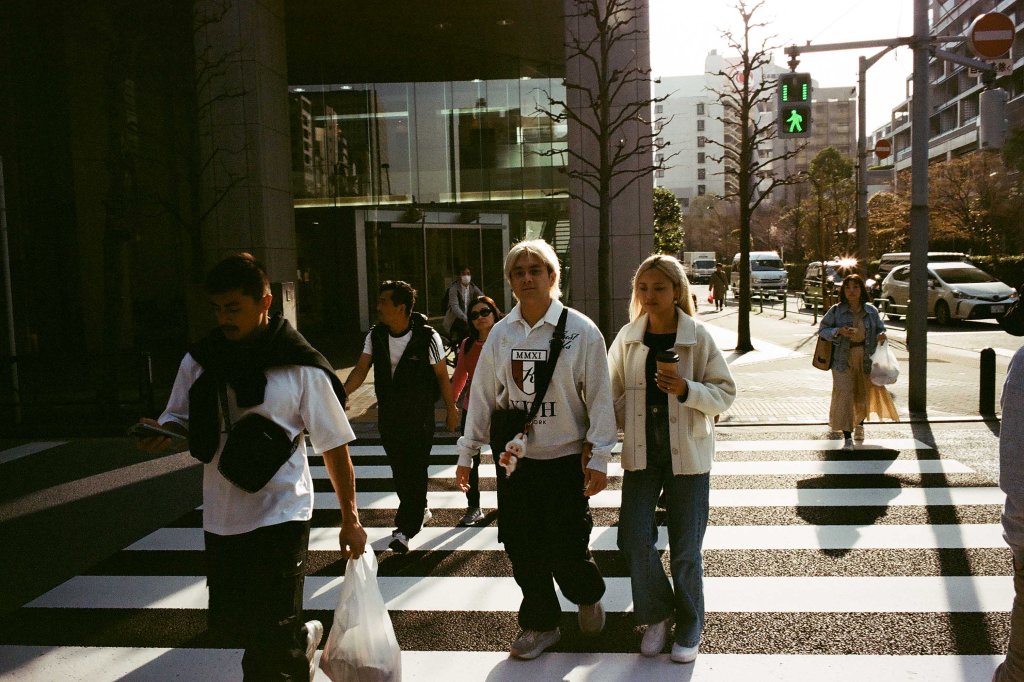
But some of my favorite places to explore in Tokyo are just the random alleyways that form a web of endless opportunity for observation. The much quieter side streets afforded me the chance to begin relaxing and making intentional compositions. Just watching dinner-goers enjoying an evening out made for a fun time.
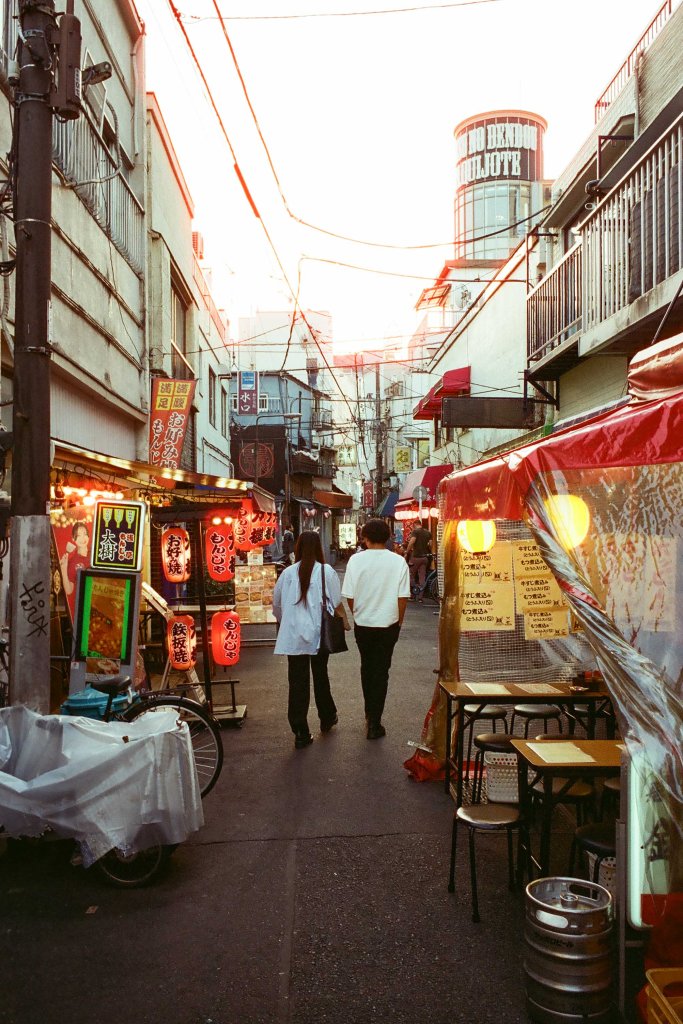
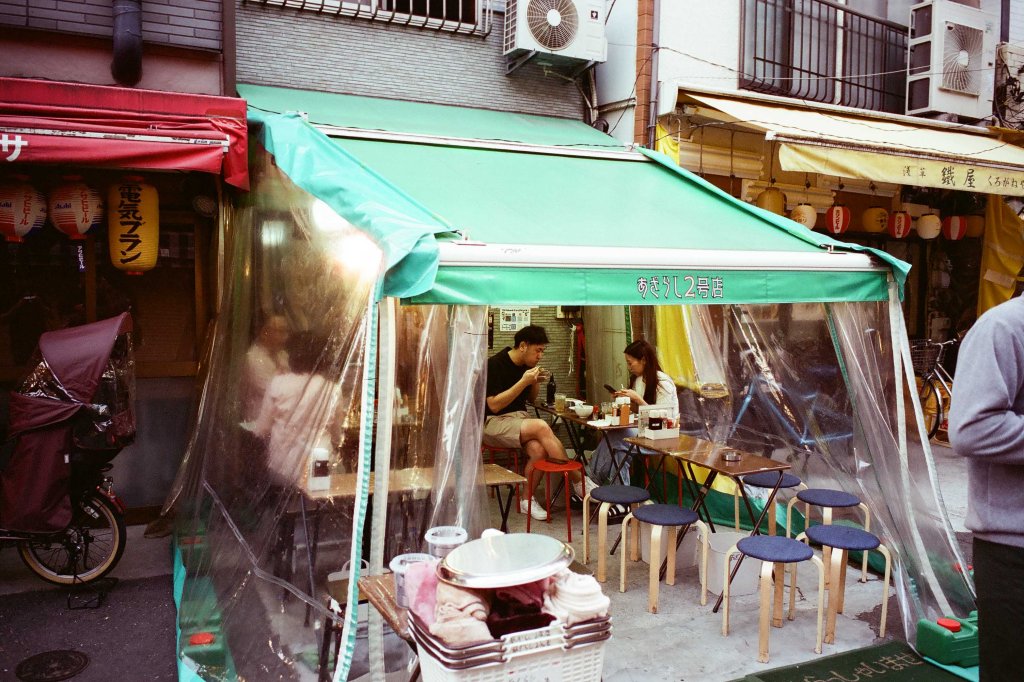
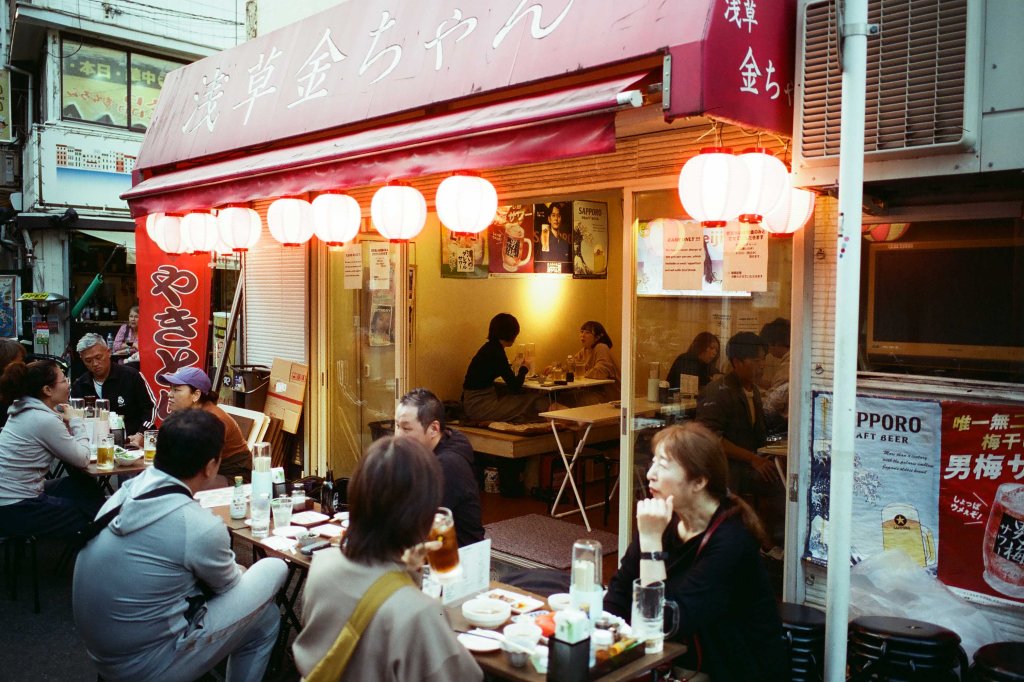
At this point, we headed for Misoya Hachiro, a ramen shop in Shinjuku that David had tried on a previous trip. This was hands down the best bowl of ramen I’ve had yet in Japan. It featured a large bowl with wonderful noodles, a thick broth, plenty of green onion, and a healthy portion of pork chasu. This isn’t a food blog but you’ll definitely see some iPhone food photos here and there!

After this, we just walked around Shinjuku and continued making images as blue hour turned into night. This is where things took a dark turn. This was the first trip with my (new to me) Leica M6 and I had already put several rolls through it in the weeks leading up to this trip, all without any problem. As I got to frame nine of a roll of Lomography 800, I snapped a frame and went to advance the film. At this moment, the camera jammed up and wouldn’t advance. So, I decided to sacrifice the roll and open up the camera. This immediately revealed the problem: the shutter curtain was stuck in the open position – and as I came to find out much later, had in fact completely snapped. This meant that on night one, the Leica would be out of commission for the remainder of the time. I was crushed. But, the one piece of good news? Tokyo is the best city for used camera gear I’ve ever been in.
First Full Day: Finding a Replacement Film Camera
So the next morning, we found ourselves back in Shinjuku on a hunt for a film camera. I have a Canon AE-1 back home and figured I would look for another AE-1 since I know the camera well and they are affordable. I was fortunate to locate a mint-condition black paint AE-1 with a 50mm f1.4 lens bundle. I also purchased a 28mm f2.8 lens as well.
Next order of business? A test roll. I shot a roll of Kodak Gold 200 through the AE-1 and took it over to Kitamura Camera, who provided me with same-day scans within just a couple of hours. Thankfully, the camera functioned perfectly and I was back up and running just over 14 hours from when my M6 broke. It was time to full send film.
As we made our way to Nakano, I loaded up a roll of Fujifilm Superia X-Tra 400 and made some neat images on and around the trains and train stations. The golden hour light didn’t last long but was beautiful while it did.


One of the most fun things to me about film photography in Japan is trying to find “real” Fujifilm. Here at home, I only have access to the Kodak-manufactued Fujifilm color negative stocks in 35mm. In Japan, it is possible to find remaining rolls of discontinued Superia Premium 400 and Fujicolor 100 (which I believe is still being manufactured, albeit in small quantities). As of the time of writing this, you won’t find any of these film stocks in the big-box stores such as Yodobashi or BIC. You have to go to more of the outskirts of Tokyo to locate any remaining inventory.
My second attempt at Lomography 800 went much better than the first. We continued making images around Nakano and then headed to Roppongi in search of some nighttime illuminated cherry blossom trees.
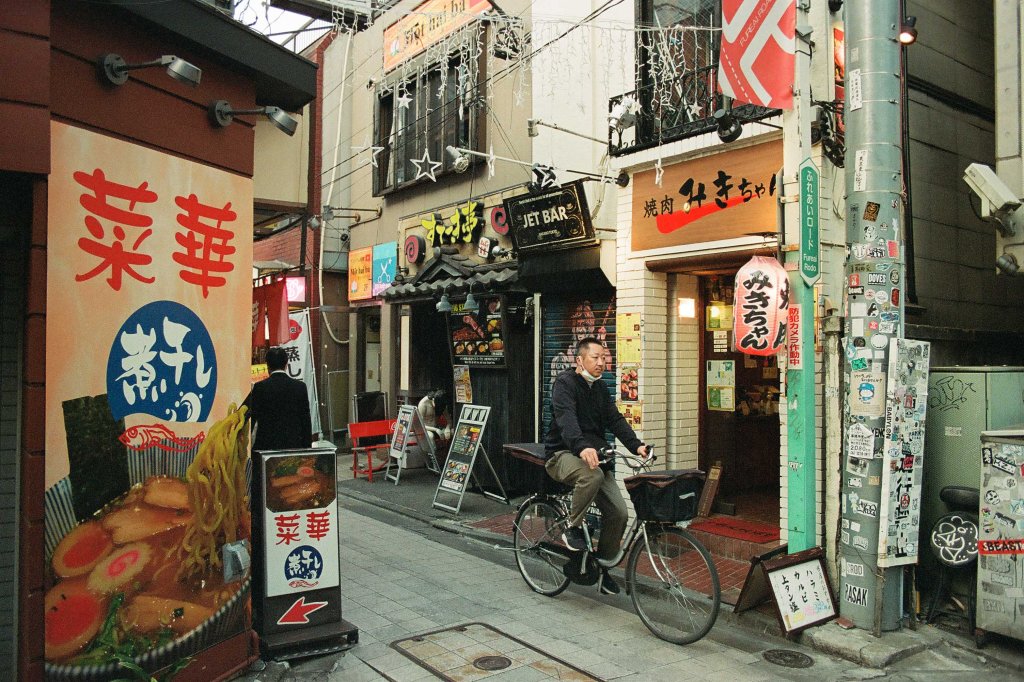


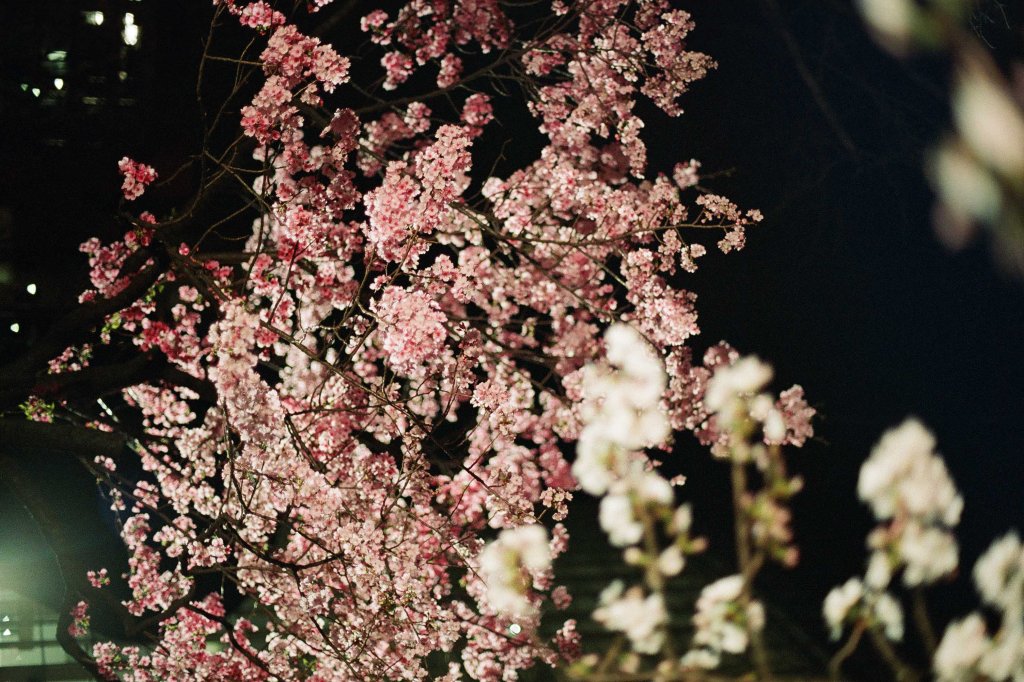
Second Full Day: Packed with new Sights
The next morning was spent in the lovely gardens at the Imperial Palace. We were blessed with a morning bathed in sunshine and warmth, pairing nicely with the greenery, waterworks, and sakura blossoms. I highly recommend entering at the Ōte-mon Gate and visiting the Ninomaru Garden. I put several rolls through: Ektar 100, Portra 160, and Cinestill 50D. We really took our time, enjoying the peaceful and quiet gardens and simply taking a nice stroll with a film camera in hand.
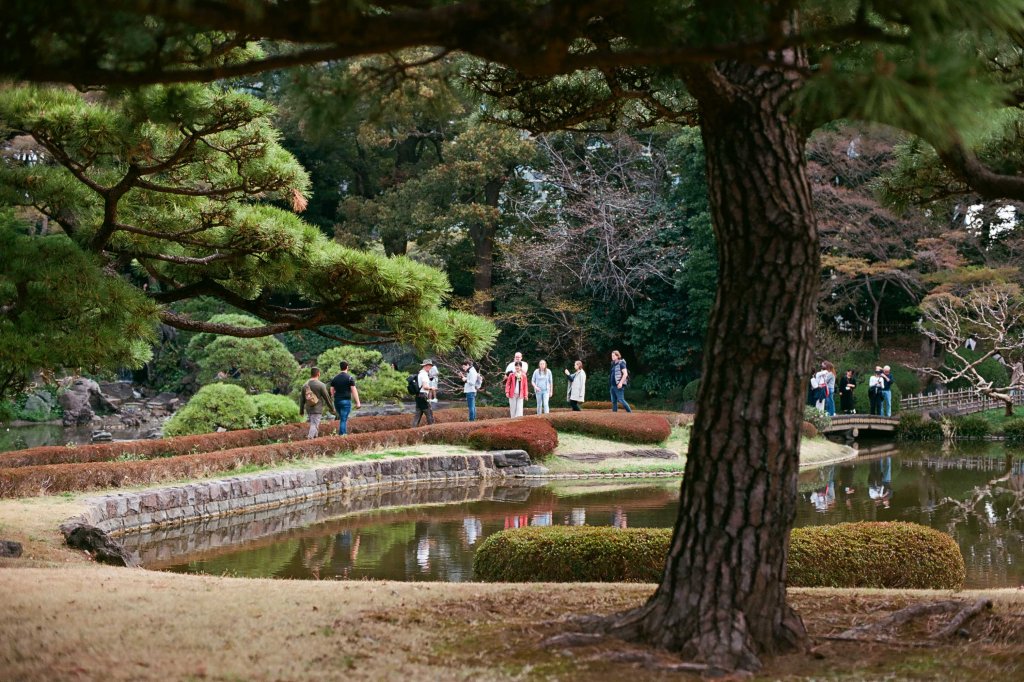
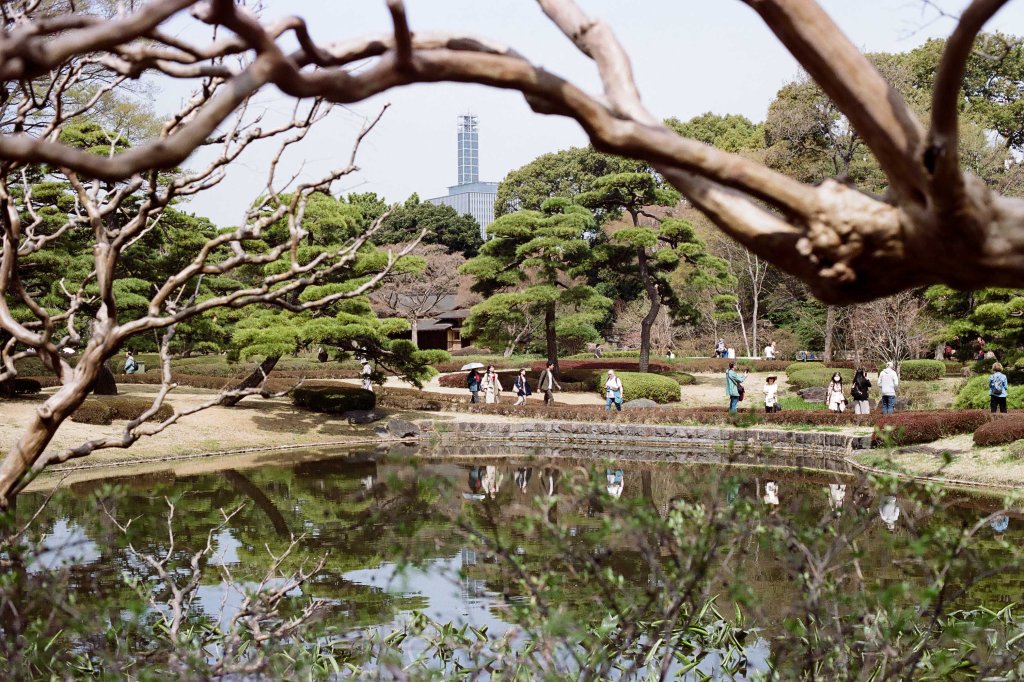


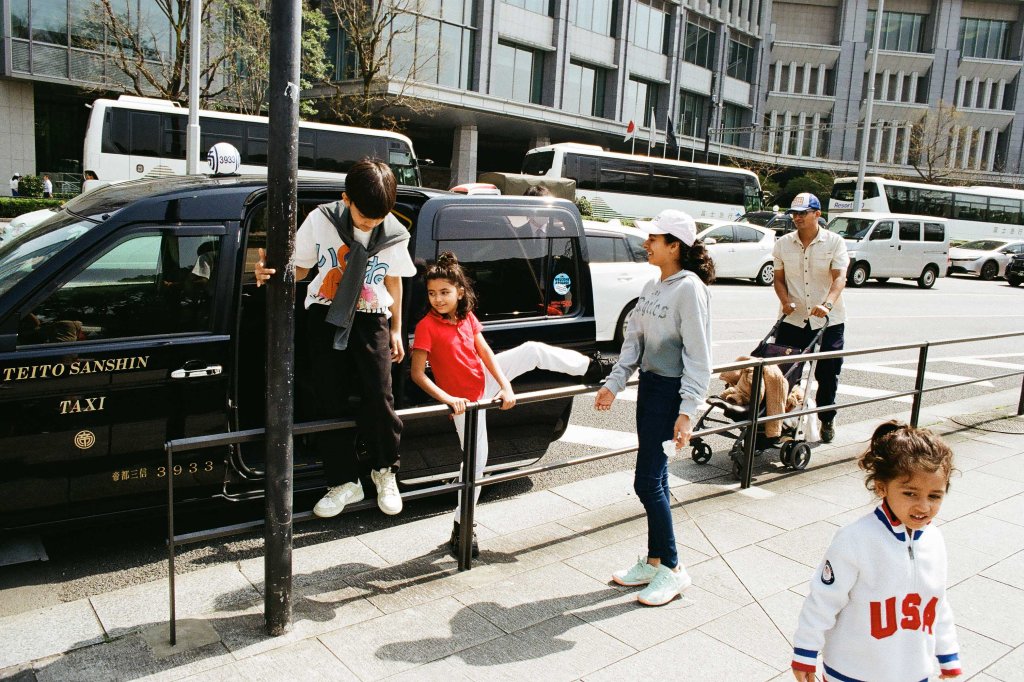
As we exited the palace gates, I spent a few minutes working the busy intersection on the end of the roll of Cinestill 50D as well as the beginning of a roll of Kodak Gold 200. I am happy with how these came out and they capture the chaotic juxtaposition of the chaos just outside the peaceful gardens.

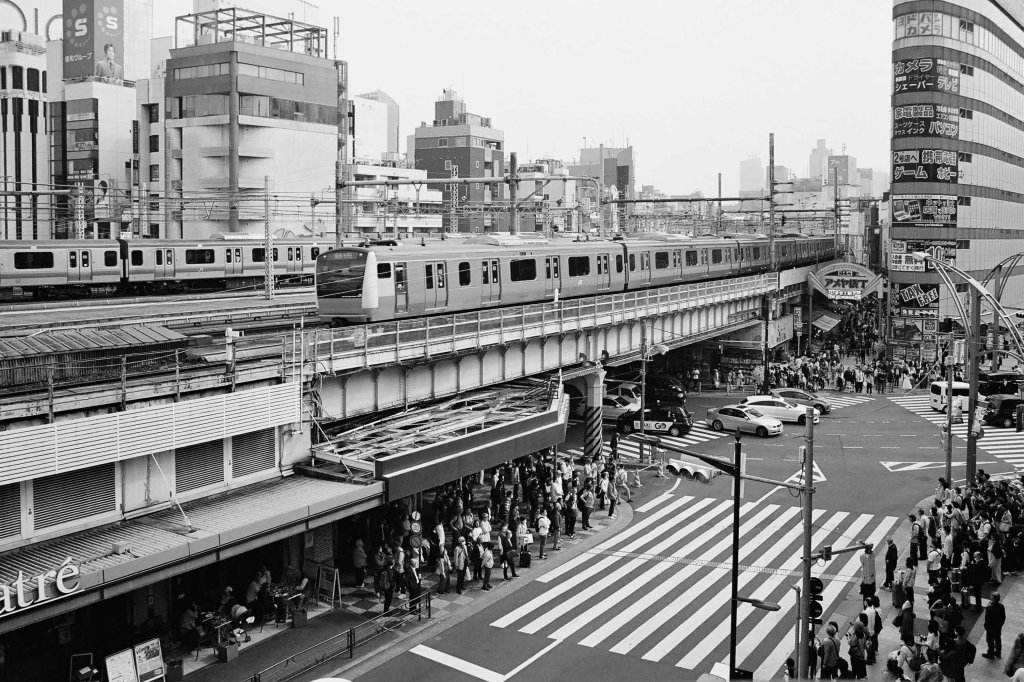
We hopped on the Chiyoda line and headed just north into Ueno, a new area to me on this trip. It was bustling around the station over lunchtime on a weekday. The sun was vibrant and provided me with some of the most colorful street photos I’ve ever taken in Tokyo. I utilized the wider angle 28mm focal length here, as the crowds were dense in the tight street just next to the train tracks. I focused on the interaction of people within the colorful environment and took some images I really enjoy:

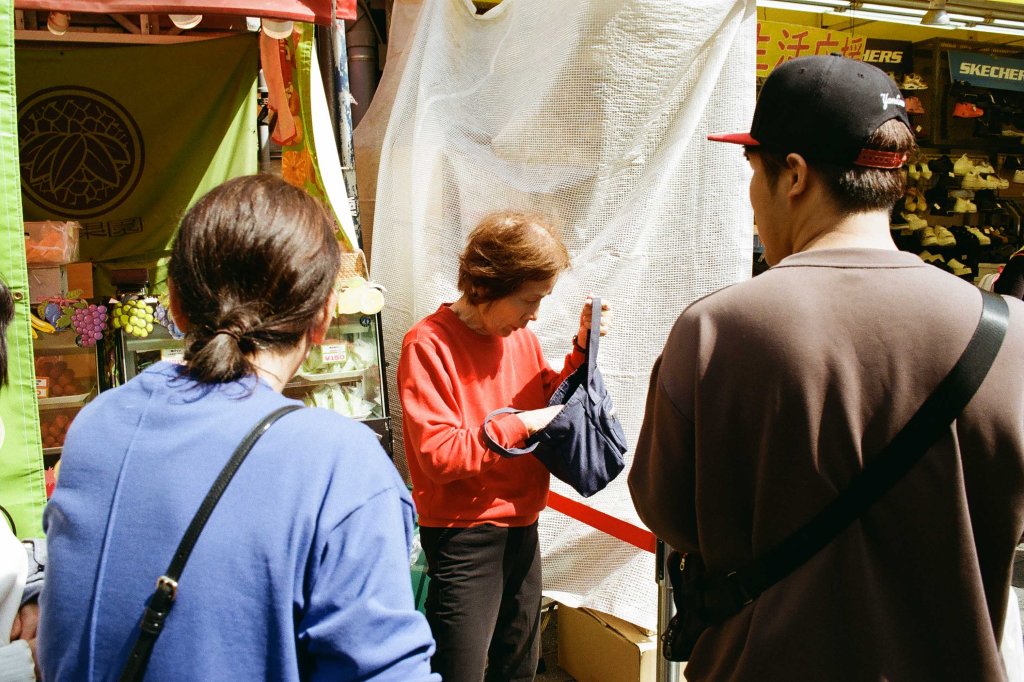
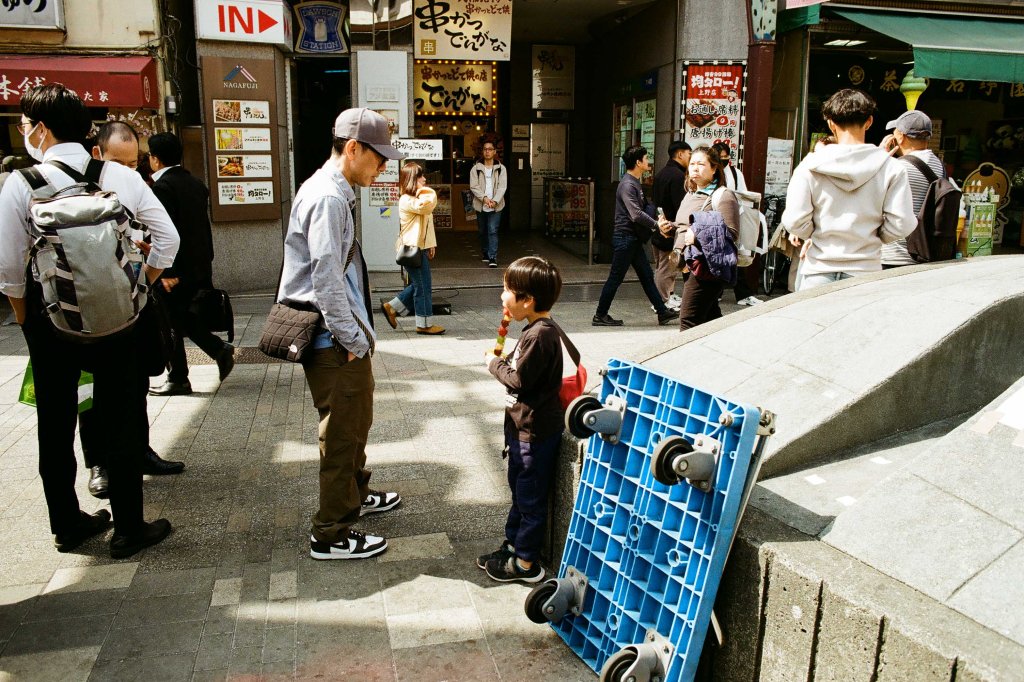
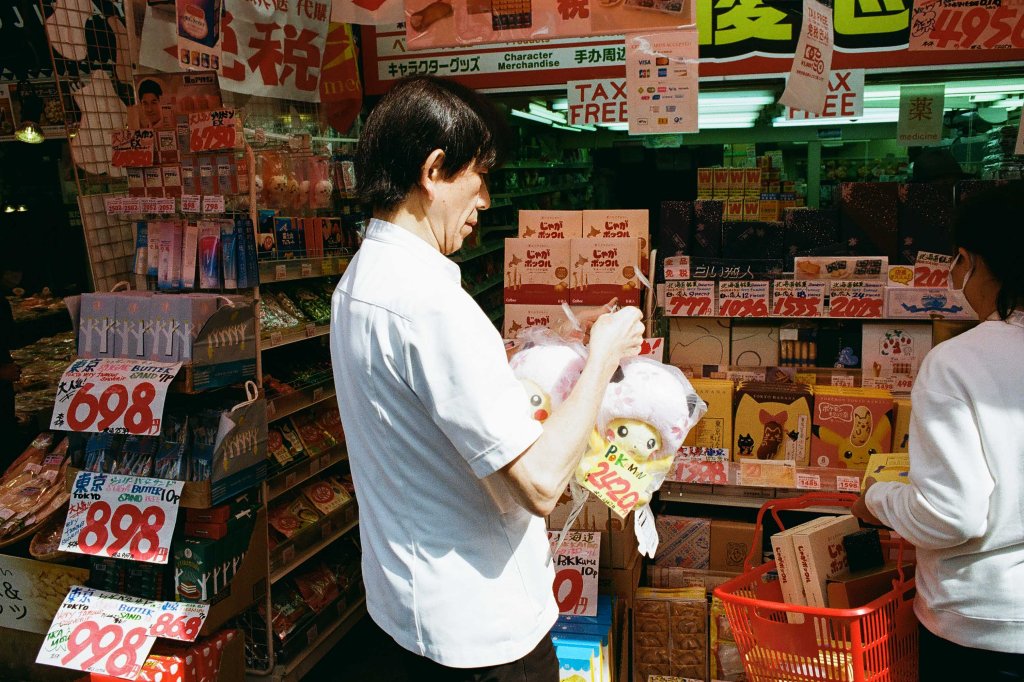
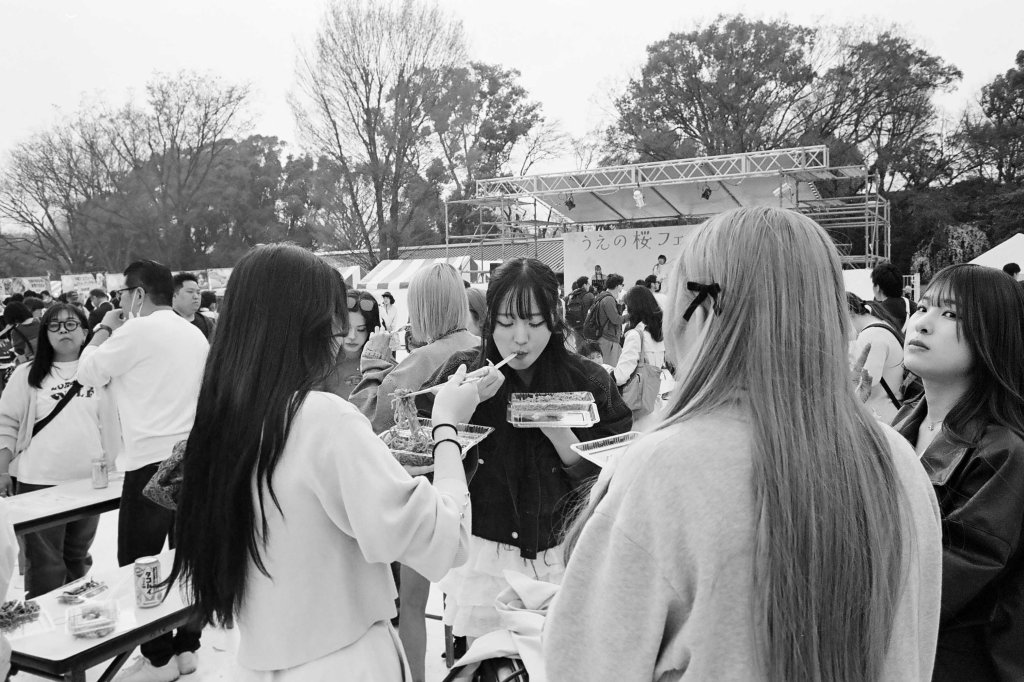
After another bowl of ramen, I trekked up the hill toward Ueno Park, taking a few shots along the way of the hyper-modern area. The clouds rolled in front of the sun, giving me reason to load up a roll of Ilford XP2 400, a C41 process black & white film. I plan to write up a more detailed review of this stock (which I don’t see many people talking about) so stay tuned for that!!
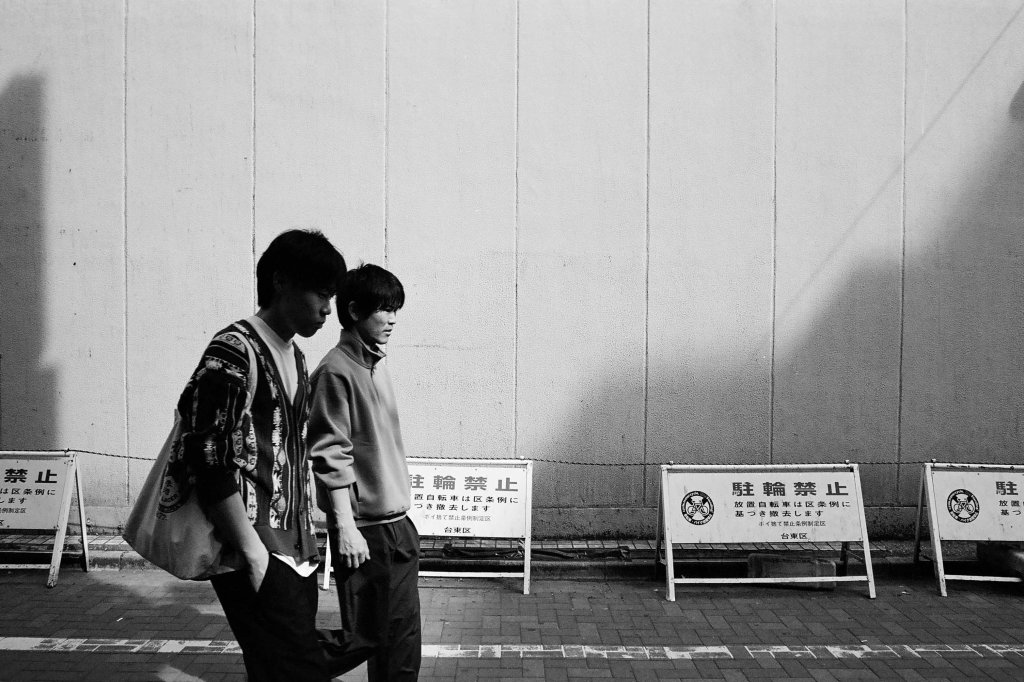
Ueno Park was full of cherry blossom trees and was PACKED. It reminded me just a little bit of Washington Square Park in New York City, although just a bit more calm. People eating at a market, relaxing by the waterworks, and picnicking under the trees gave me a fun canvas with which to snap some frames.

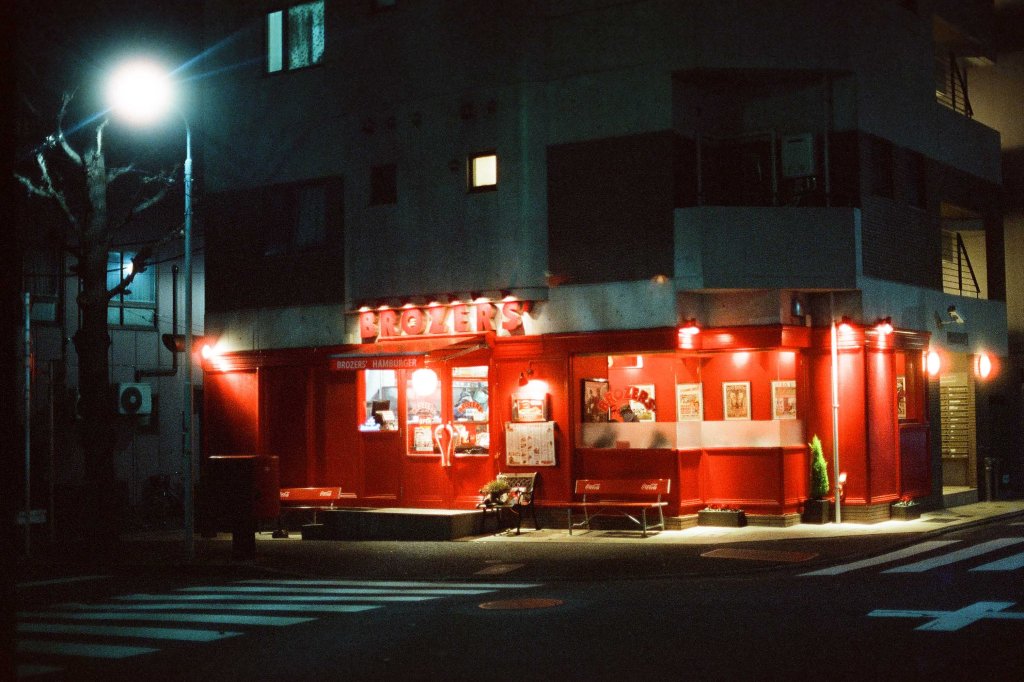
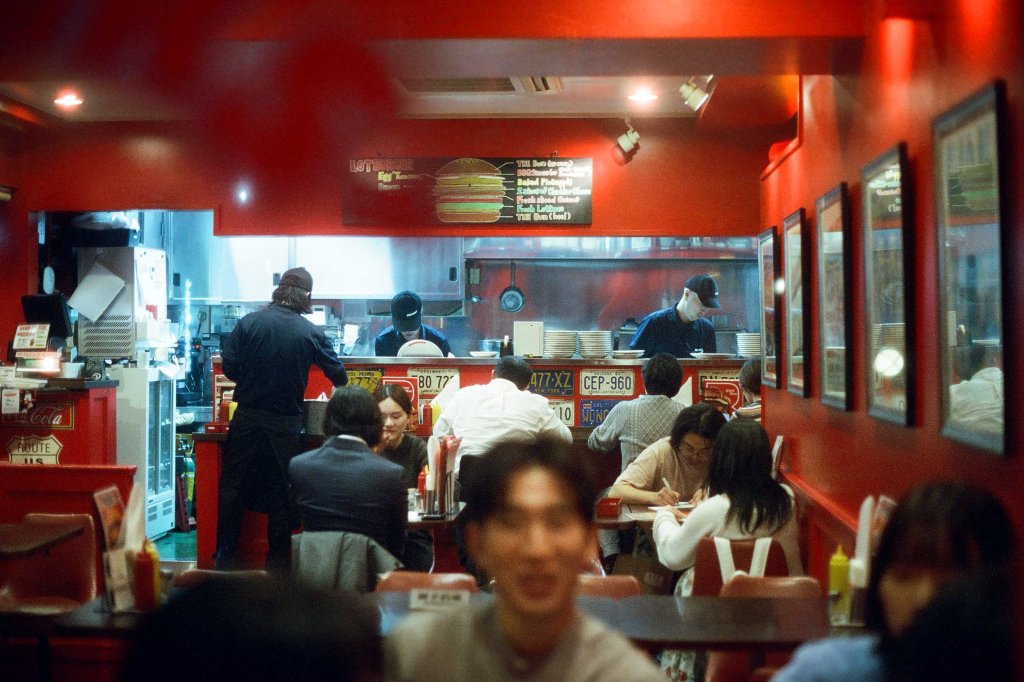
As we exited the park, it was around 5pm and I was ready for a brief break at the hotel. I used this opportunity to ditch the backpack I had been carrying all day and switch my gear to a smaller shoulder bag for an evening of photography. It was then that David discovered a hidden Tokyo gem called Brozer’s. The Americana-inspired burger joint was just a ten minute walk from our room and was one of the most memorable Tokyo dining experiences I’ve had. The burger was fantastic and we were surrounded mostly with locals enjoying a fun dinner after a long work day. I popped in a roll of Cinestill 800T and wanted to highlight the vivid red exterior and interior of the restaurant on celluloid.

For the last night in Tokyo, there is only one place to go: Shibuya. I spent the rest of this roll exploring the quieter areas of Shibuya full of eateries and bars. The lighting here makes it very simple to shoot 800 speed film with no fear of slow shutter speed blur. Cinestill 800T is tailor-made for places such as this. The neon, colors, and hazy restaurant interiors all come together so well.


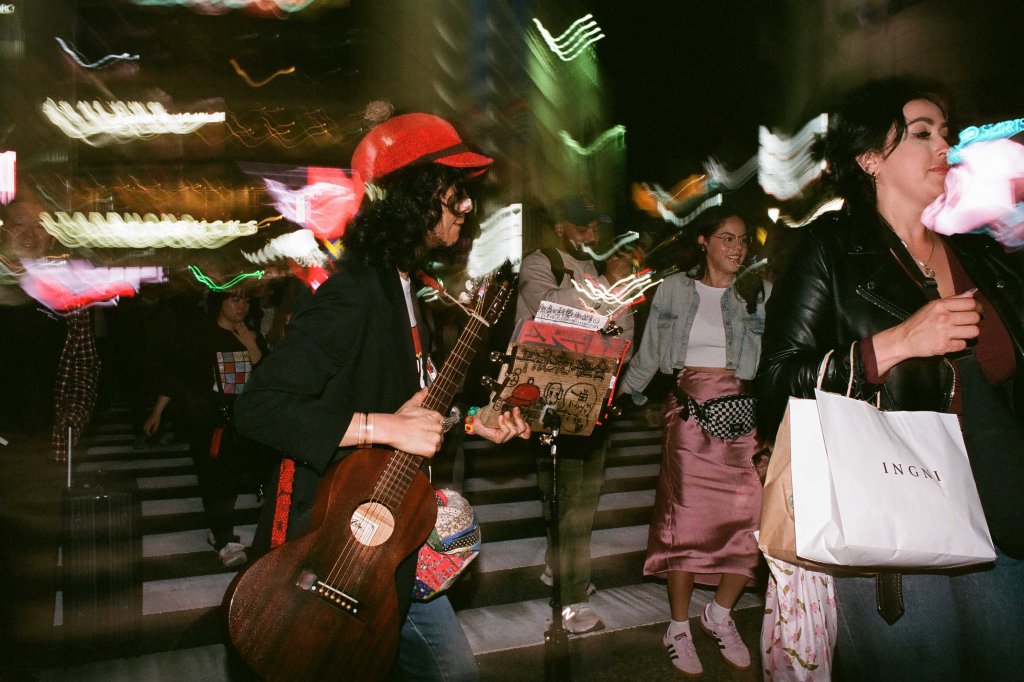
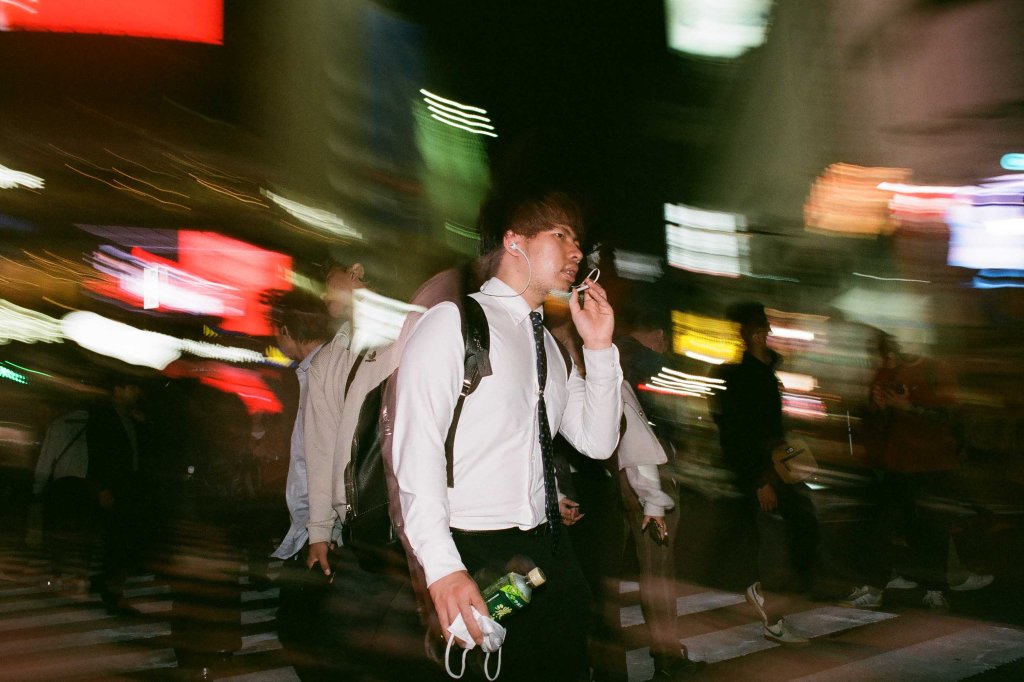
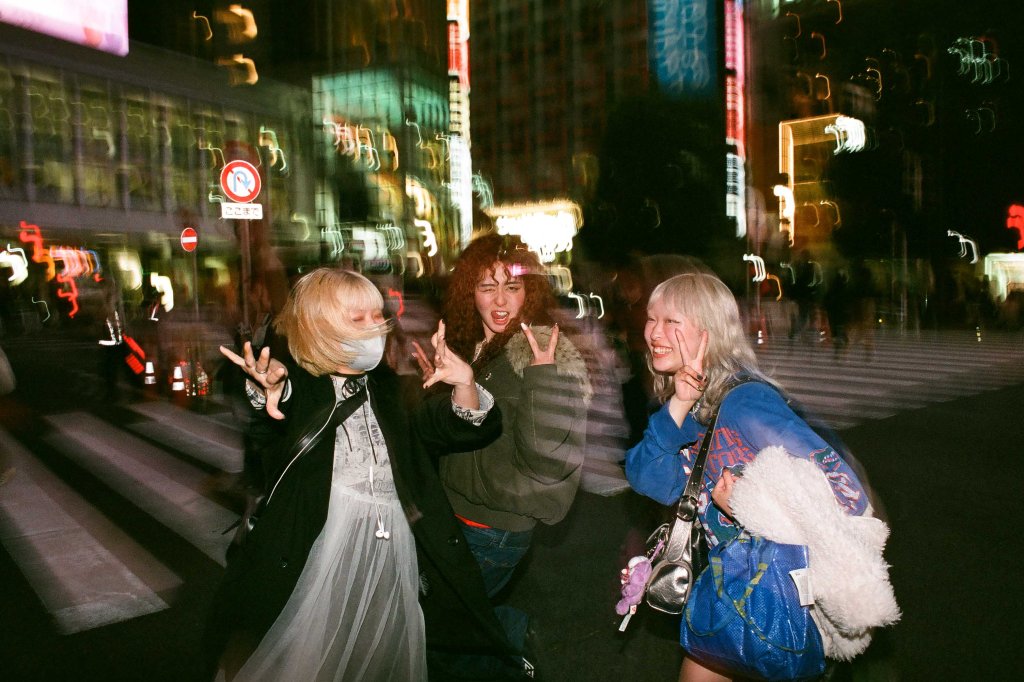
At this point, it was already late into the night, but the Shibuya Scramble was still buzzing with activity and just demanding me to pop on my flash and shoot some fun fashion-centered street photos. And I gave in. Fujifilm Superia X-Tra 400 probably isn’t the first film stock one would think to use at night with a flash, but I wanted a stylized look, and it delivered. Most of these were shot at F11 and zone focused. My shutter speed was around 1/4-1/8 of a second, giving the cool blur effect. I had the flash close to full power, to ensure the subject staying sharp and standing out from the light streaks around them. I rarely shoot in this style, but doing so here was a blast. Some people really enjoyed being photographed, having their high fashion moment!


Final Half Day: Just Chillin’
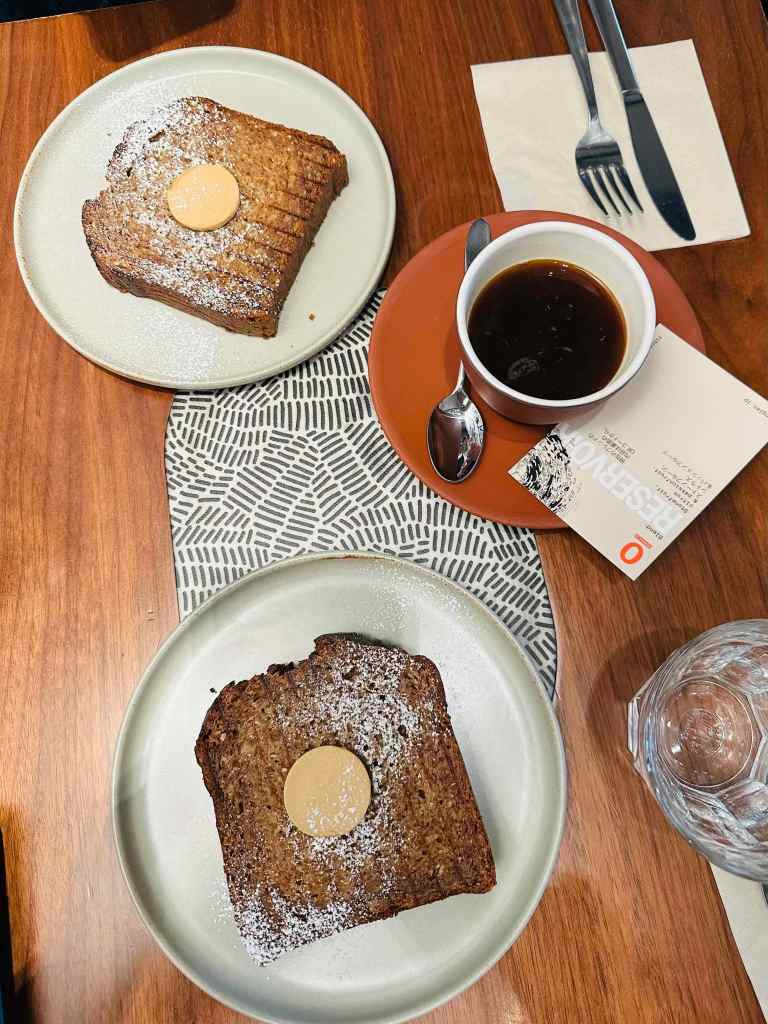
After a much-needed night’s sleep, I walked right across the street from the Hamacho Hotel for a slice of banana bread at Single O Hamacho – which featured espresso butter and a slightly grilled texture. The rich banana nutty flavor was really nice. I am not a coffee drinker (crazy right? Film photographer hating coffee is rare) but David enjoyed his coffee from here. If you’re in Hamacho, give it a go.
For the final morning in Tokyo, I just wanted to shoot a couple of relaxed rolls around the hotel and Nakano (we were back to attempt to buy more Fujifilm from a store that ended up running out of stock between the first full day and now). I used Portra 400 and then Ultramax 400 and soaked in the final couple of hours in Tokyo before continuing the trip in Osaka.

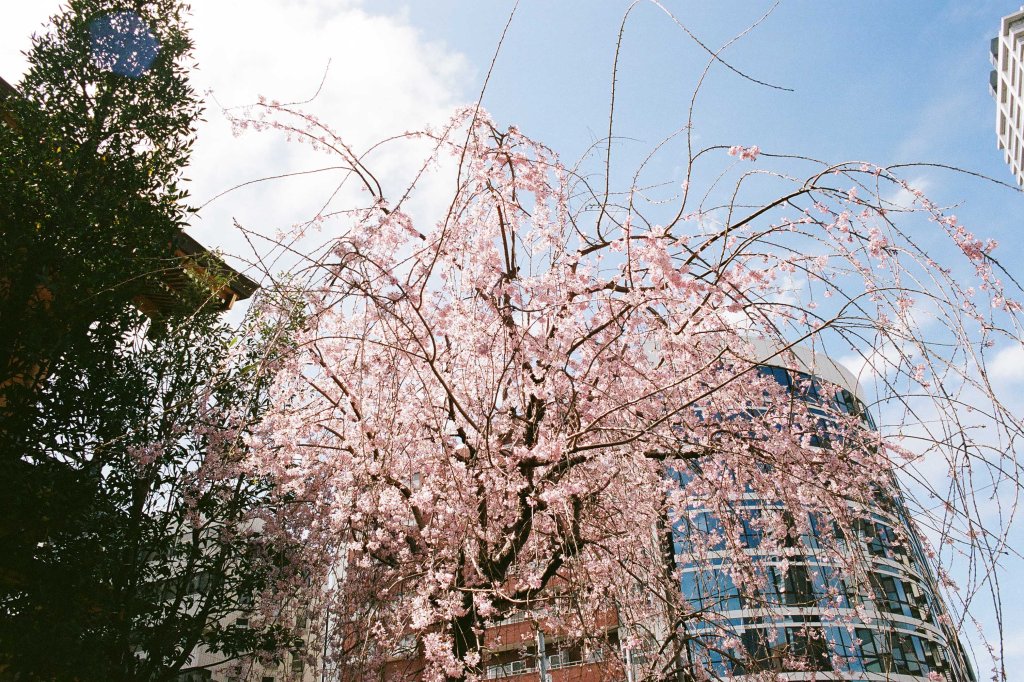
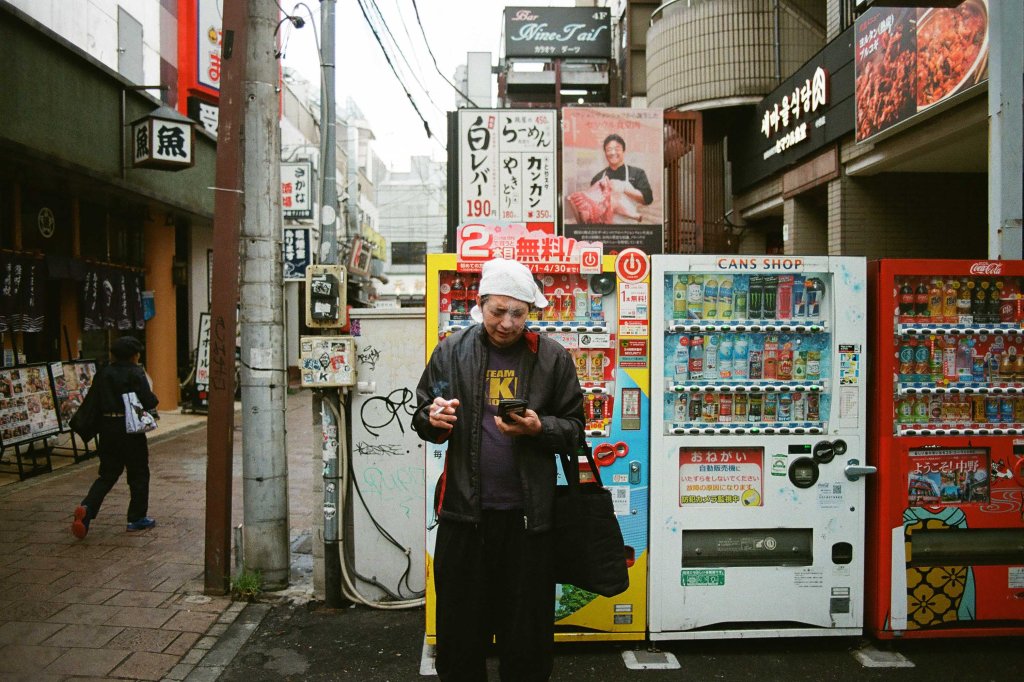
Tokyo is so expansive and even after two times here, I have barely scratched the surface of the sights it has to offer. But I did enjoy experiencing several new-to-me neighborhoods this time around. I certainly came away pleased with my photos, as I found it easier to relax and be less distracted while making images on my second time here than the first. I hope my third trip here eventually yields even better photos!
These three days in Tokyo reminded me that plans may shift and cameras may break — but it’s all part of the adventure. Street photography (especially on film!) is about adapting, observing, and staying open to whatever happens. From the quiet mornings in Hamacho, to the chaos of the crowds in Ueno, to the small ramen shops in Shinjuku, to the neon-lit streets in Shibuya — they all felt more present this time. Maybe it’s because I’d been here before. Maybe it’s because I slowed down. Either way, I left Tokyo feeling more connected to the city, to the process, and to the photos I made. But most importantly, to the memories I have made so far. It is now time to continue my trip to Osaka, and soak in some new sights.

 kinda grainy