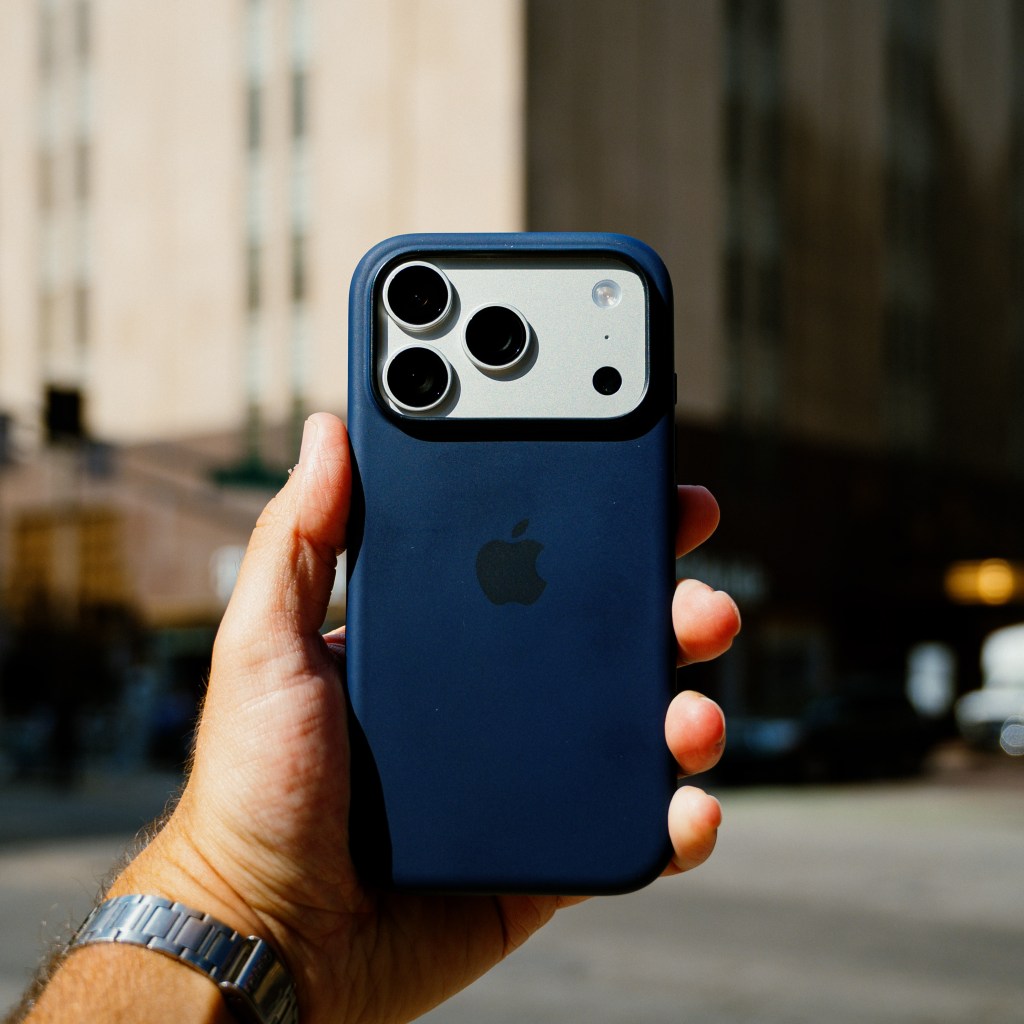
I take the new iPhone 17 Pro out to test how it performs for street photography!
I spent an afternoon wandering the streets of downtown Indianapolis, putting the iPhone 17 Pro through its paces as a street photography tool. After some solid shooting and editing, I’ve come away with a list of pros and cons based on real-world use—along with 25 sample images you’ll find at the end of this article.
For this review, I aimed to push the iPhone 17 Pro to its limits. I shot exclusively in ProRAW, then processed the files in Lightroom and Dehancer. This isn’t meant to be a comprehensive technical review of the camera system; instead, it’s a look at how much quality and flexibility I can squeeze out of this device—and whether it can hold its own in a street photography workflow.
Pros
A Real Telephoto: 48MP 4x Lens
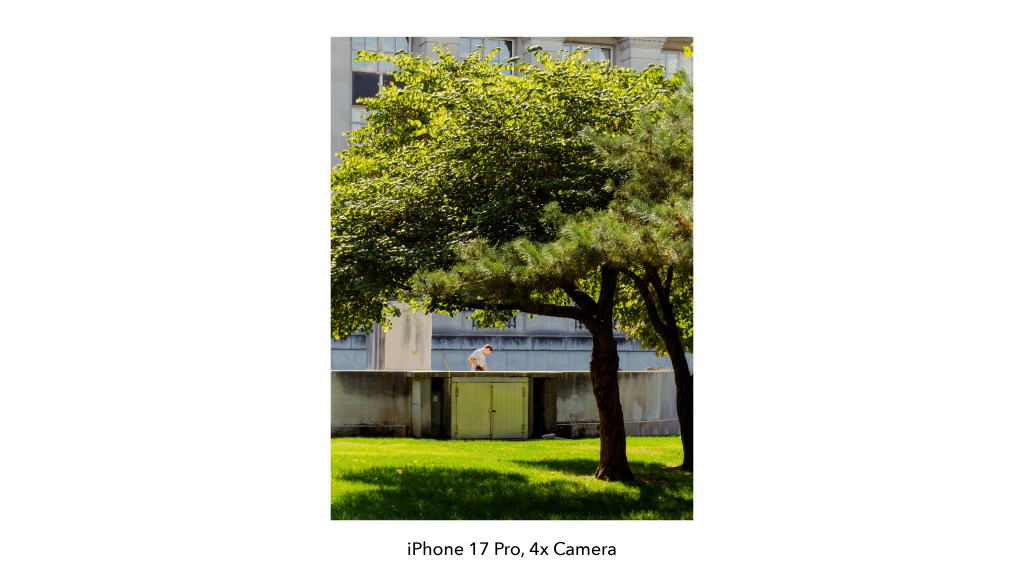
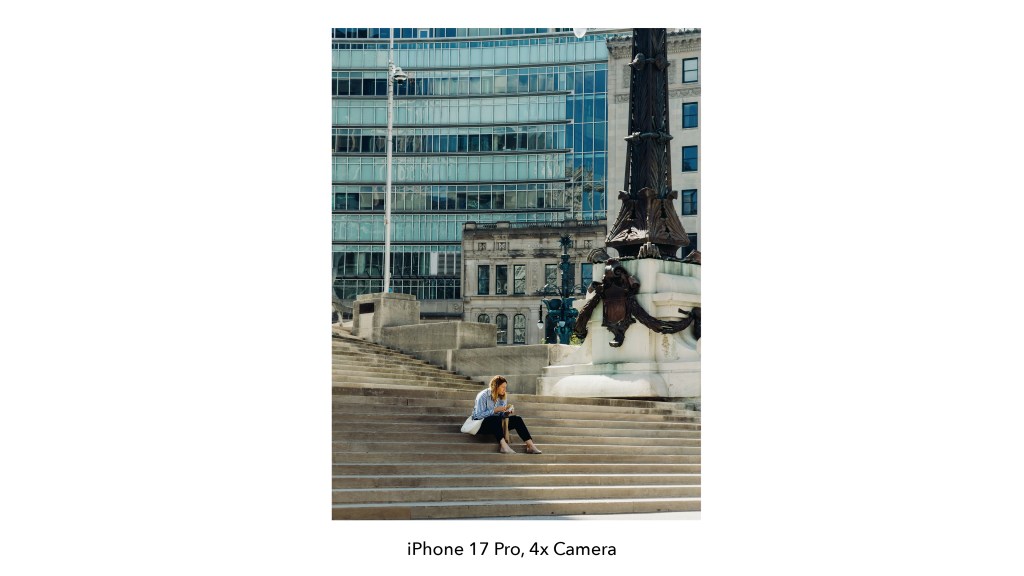
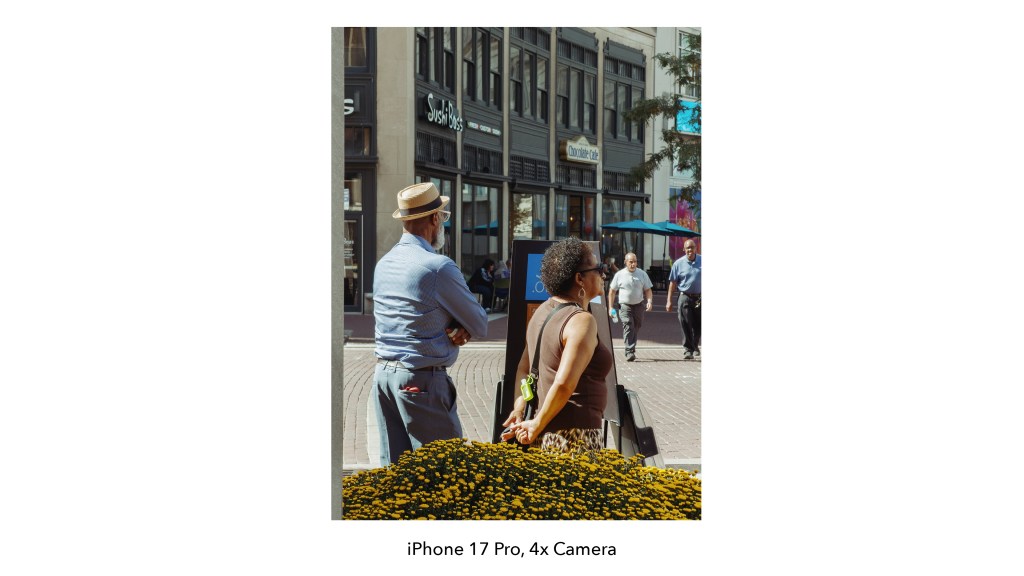
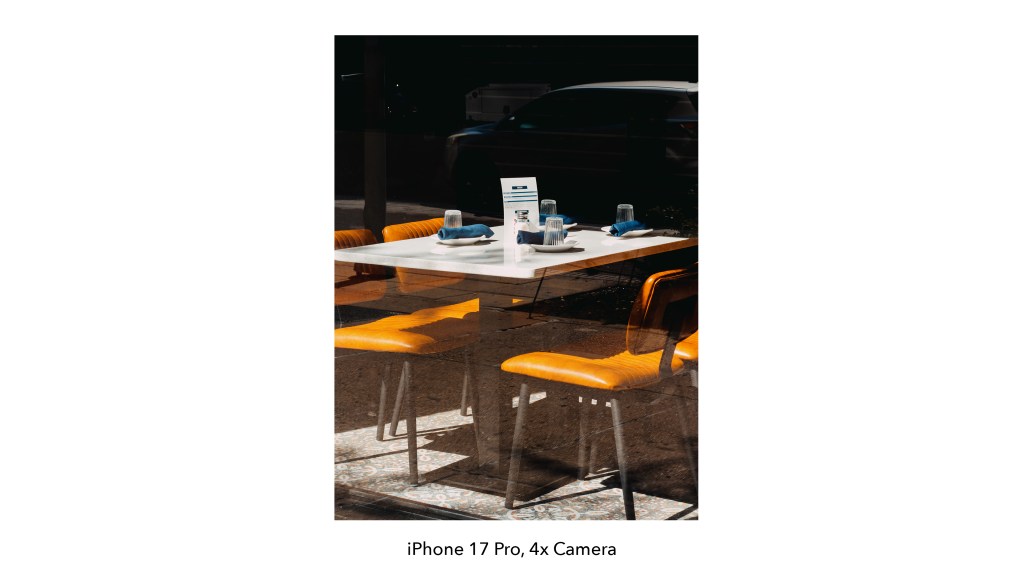
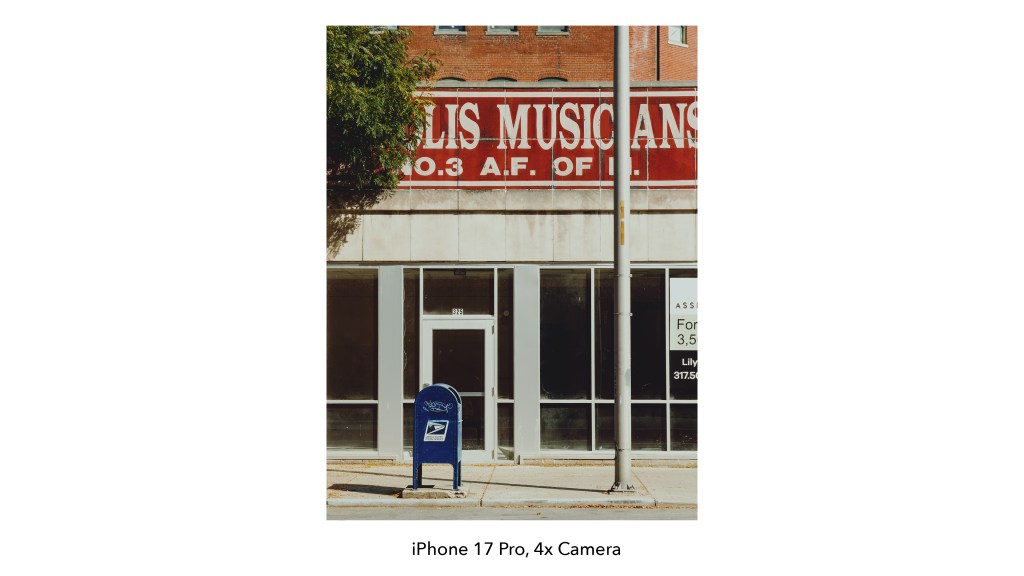
For the first time in an iPhone, the telephoto lens (4x/100mm equivalent) offers the same 48-megapixel resolution as both the 0.5x ultrawide and 1x wide cameras. The image quality holds up across all three lenses, which is genuinely impressive. It’s refreshing not to have to compromise on resolution or detail when shooting at 100mm. This longer focal length opens up new compositional possibilities and feels like a true photographic tool rather than a smartphone workaround.
Flexible 12 bit ProRAW files
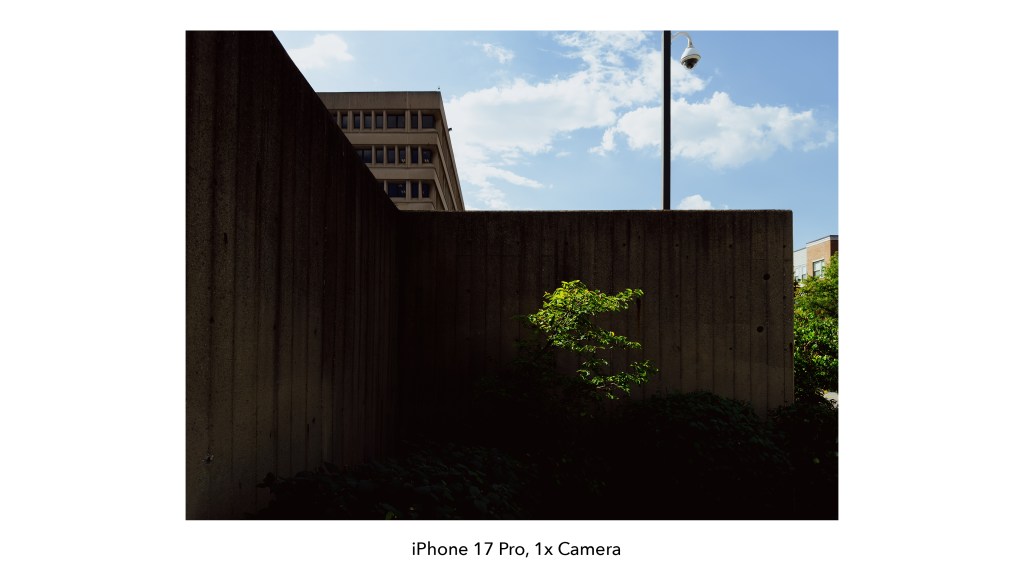
While ProRAW isn’t new, the files continue to impress. I found them easy to work with in post—pulling detail from shadows, recovering highlights, and grading color with little resistance. The dynamic range is strong, and I was able to apply fairly heavy edits without the files falling apart. Occasionally, I noticed some minor blooming around high-contrast edges, but only in specific lighting conditions. Overall, though, these files are surprisingly robust for mobile photography.
Cons
I don’t like the camera control button
For one simple reason: it’s too slow. Apple’s camera control button is a nice idea on paper, aiming to give the iPhone a more tactile, camera-like feel. But in practice, I found it too slow to use efficiently. Navigating settings or switching modes is simply faster with direct on-screen taps. The button feels like a half-step toward physical controls, but it lacks the speed or responsiveness that street shooters need.
Not as discreet as one would think
Now, this isn’t so much a knock on the iPhone as it is just my opinion after using it specifically for street photography. I figured I would blend in while taking candid images of people around the city, but I actually felt more self-conscious than I do while using one of my dedicated cameras, whether mirrorless or film. The feeling of pointing a phone in someone’s direction seemed to draw more attention than I anticipated.
Some Images still feel flat
This isn’t entirely unexpected, but it’s worth noting: despite all the computational magic, the iPhone still struggles at times to deliver that three-dimensional pop that larger sensors and optics provide. Even though I often shoot at f/5.6 or higher on my regular cameras, I still get a sense of depth and presence that’s sometimes missing from the iPhone’s images. That said, this is more a limitation of physics than the iPhone itself. There is only so much a small sensor and lens system can do. But if you’re used to full-frame depth and separation, you’ll notice the difference.
Recap & images
At the end of the day, for me, photography is about more than image quality. Photography is also about the experience of using the camera. And while the iPhone 17 Pro has reached an impressive level of quality, the shooting experience just doesn’t fully engage me the way a dedicated camera does.
That said, the iPhone absolutely has a place in my workflow. It’s not my first choice for intentional street photography, but it shines in other areas. For Instagram Stories, travel content, and especially quick-turnaround editing and sharing, it’s hard to beat. Being able to shoot a 12-bit ProRAW image, edit it in Lightroom or Dehancer right on the device, and upload it instantly is an unmatched kind of convenience.
So while the iPhone 17 Pro won’t replace my mirrorless or film cameras anytime soon, it’s a powerful creative tool I’ll continue to use for specific purposes.
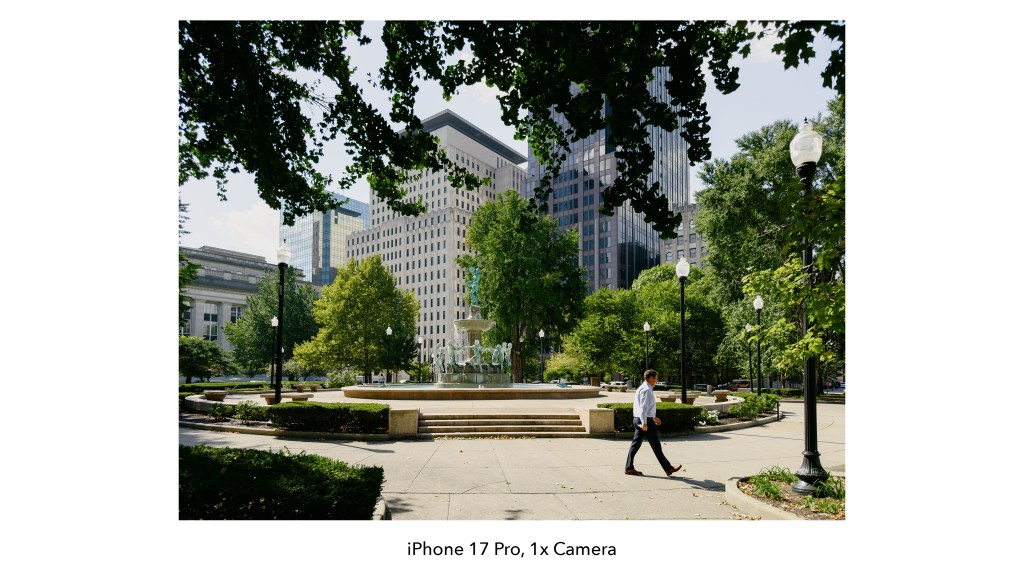
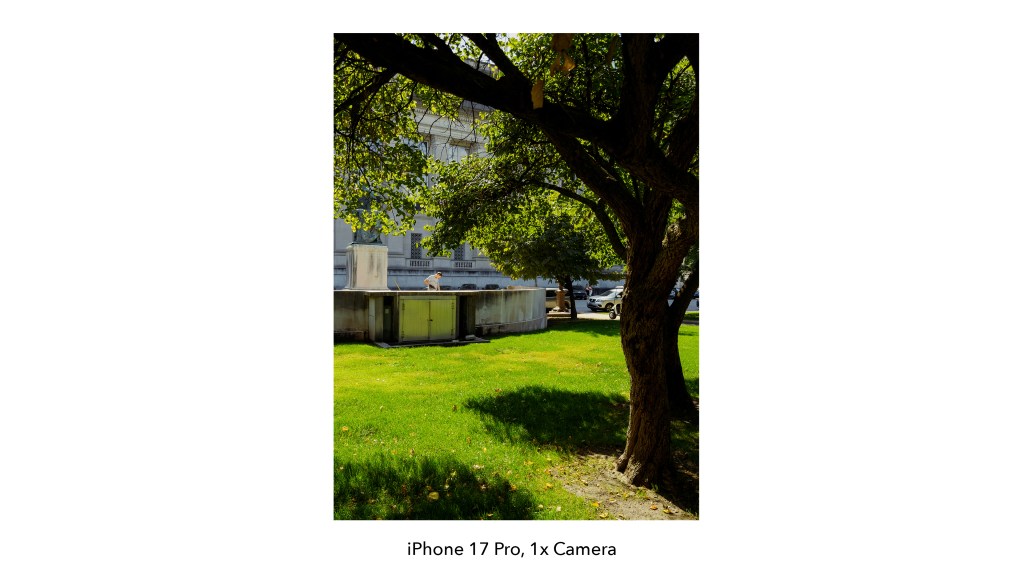
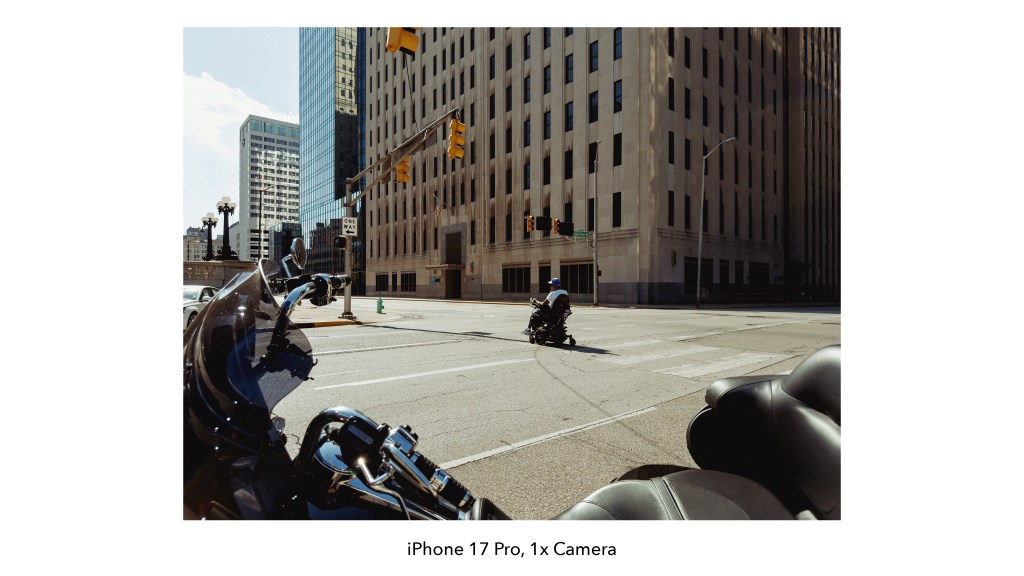
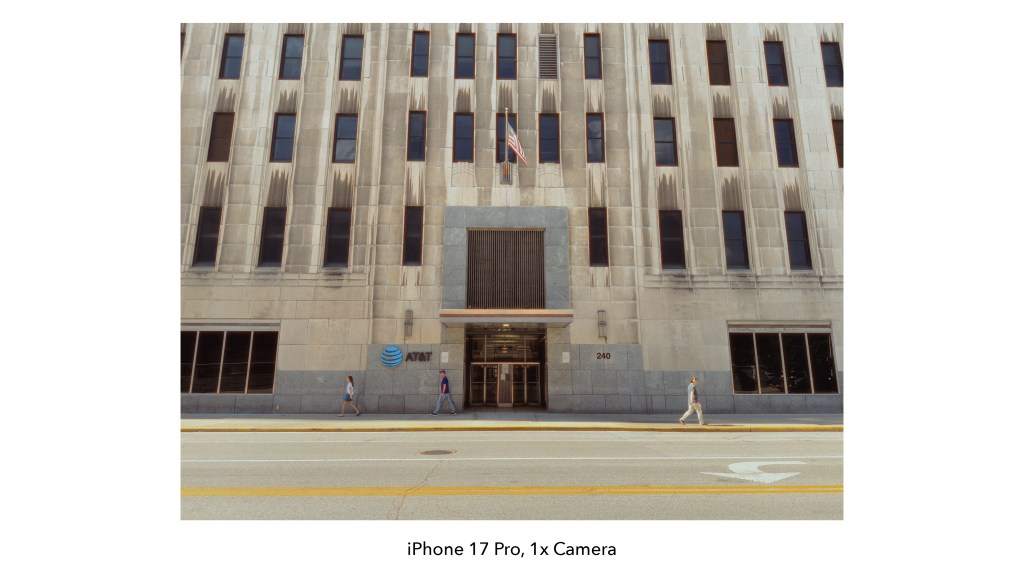
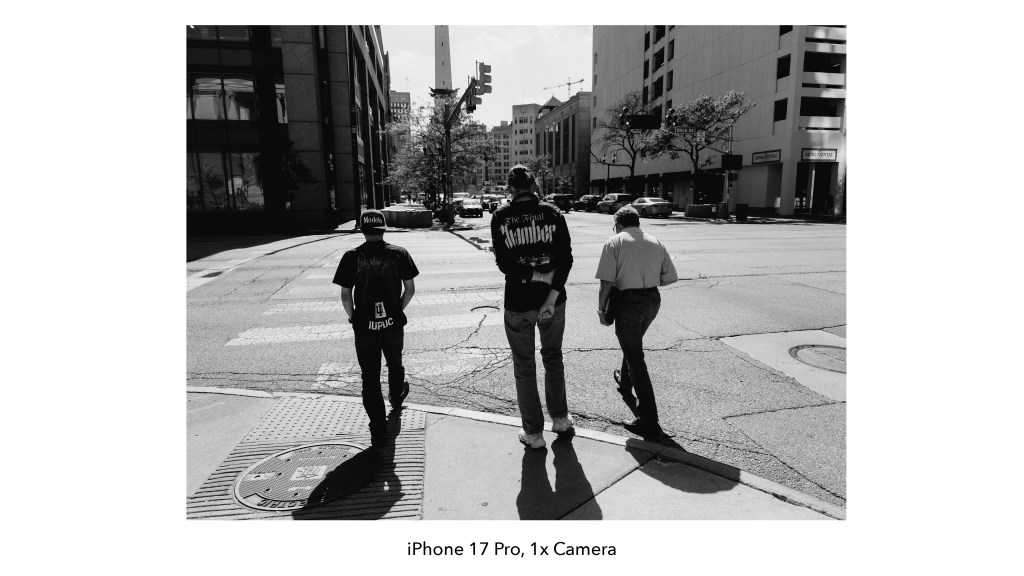
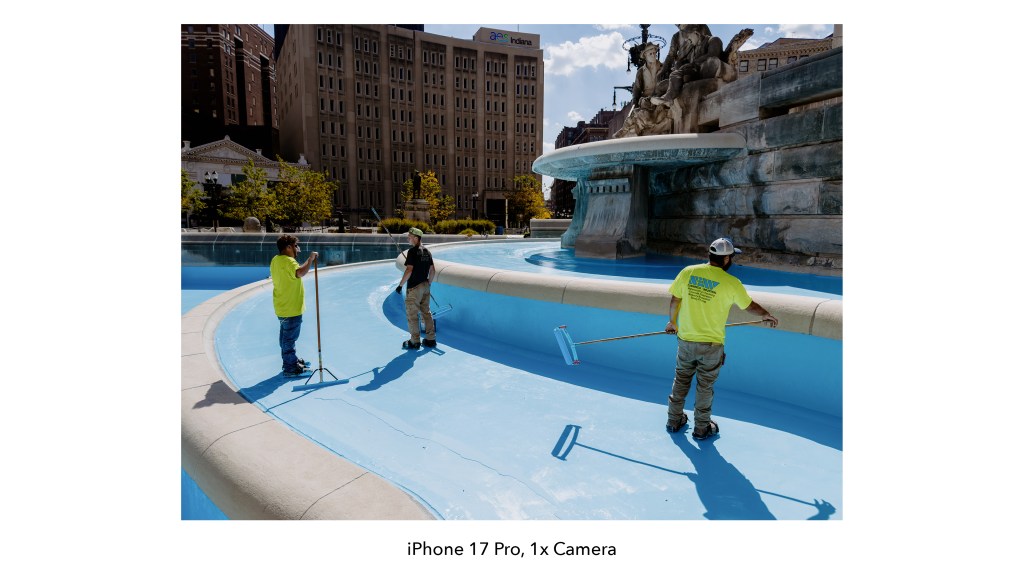
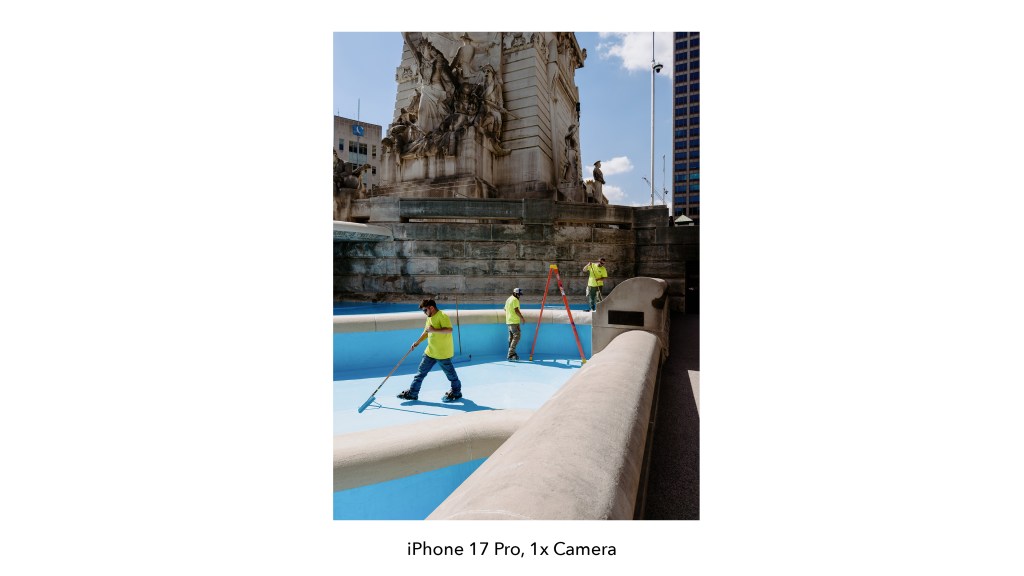
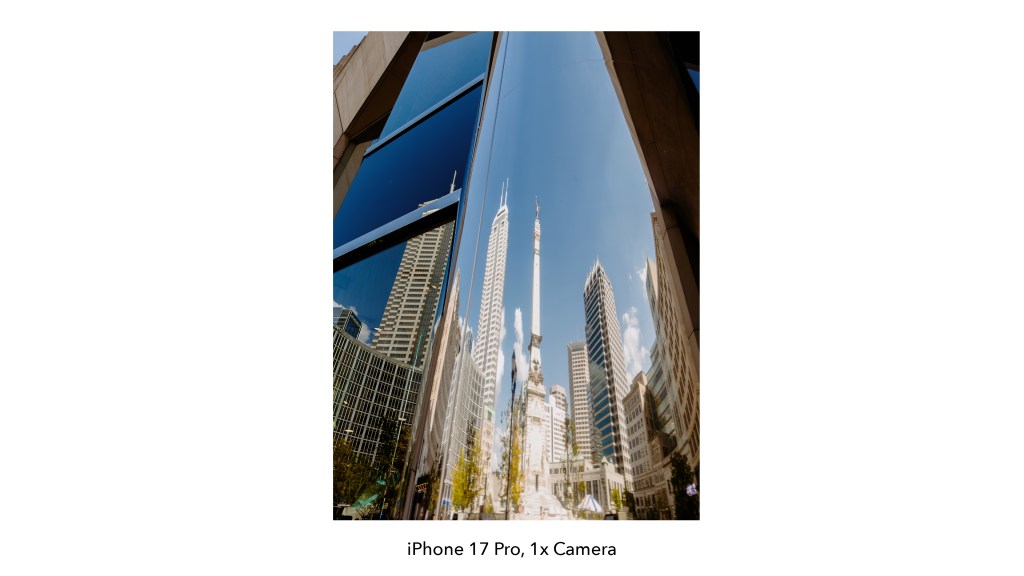
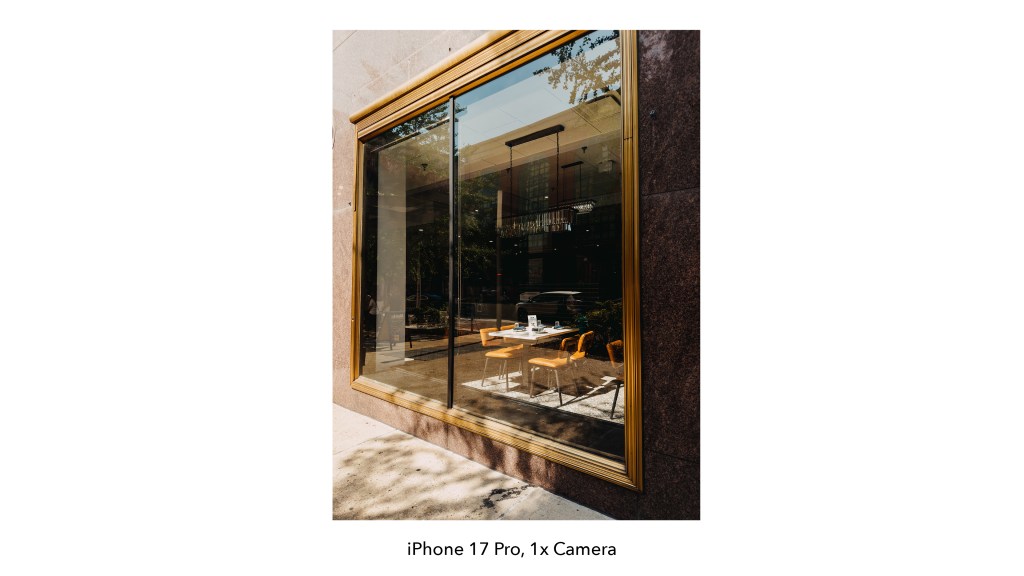
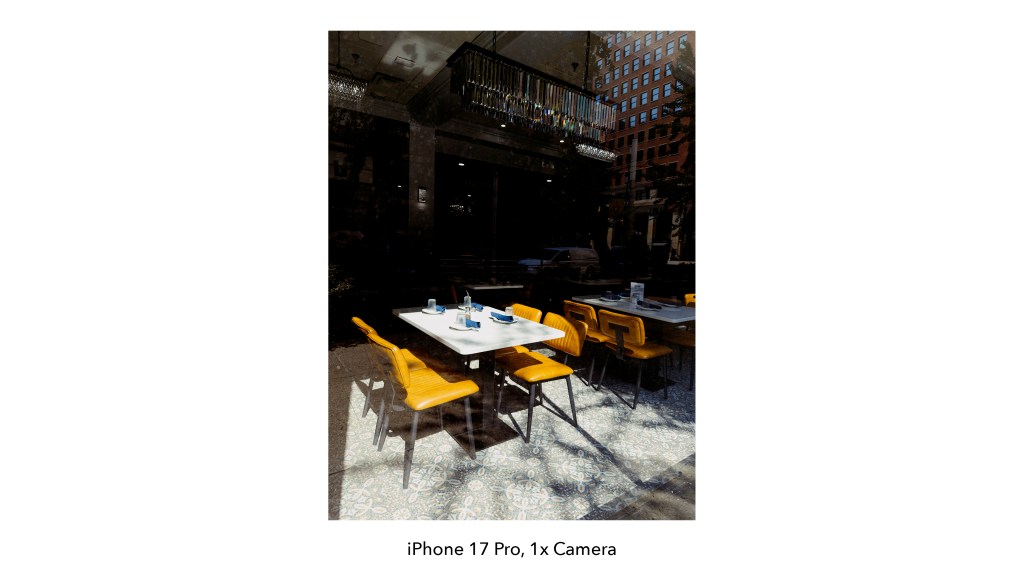
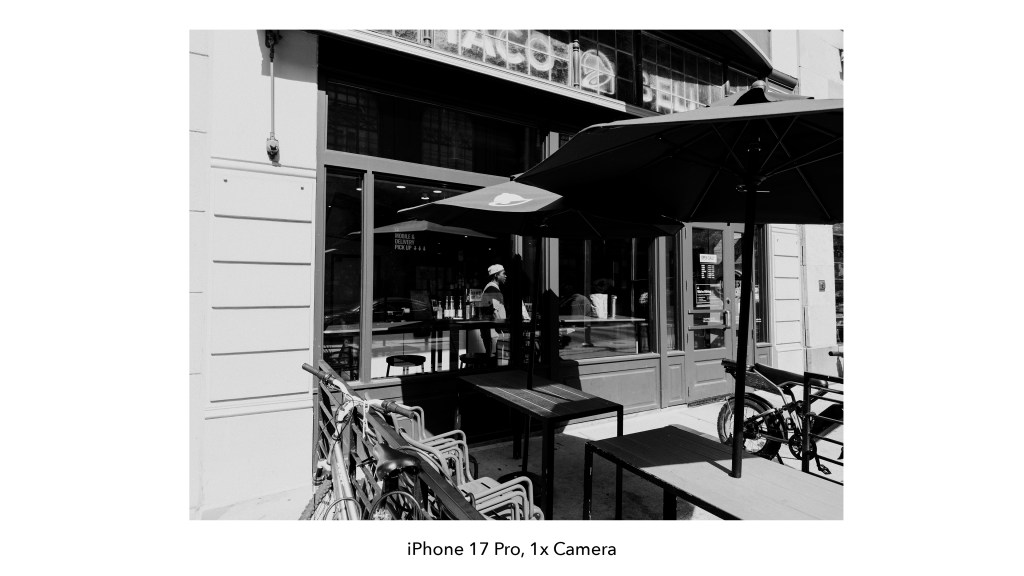
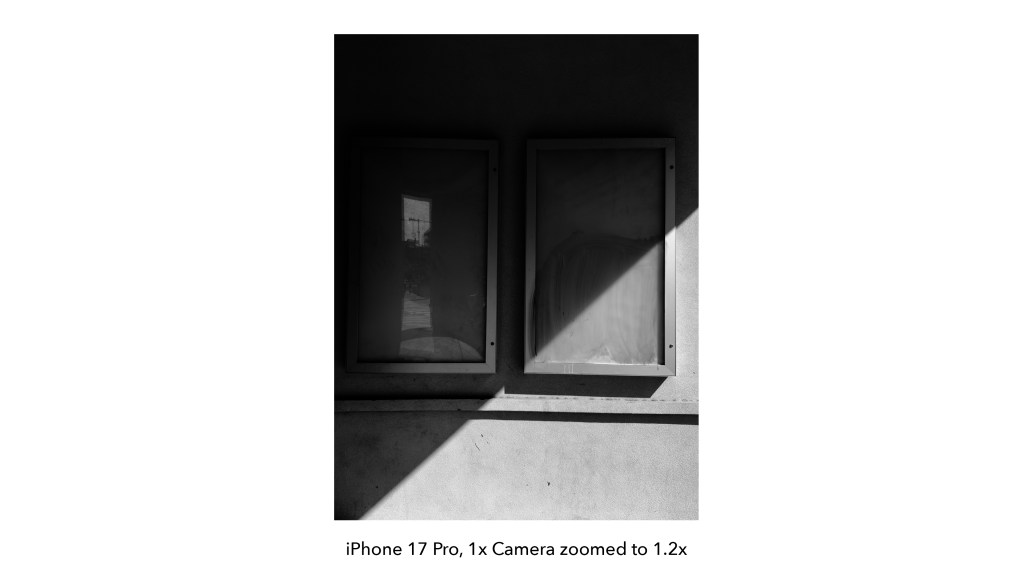
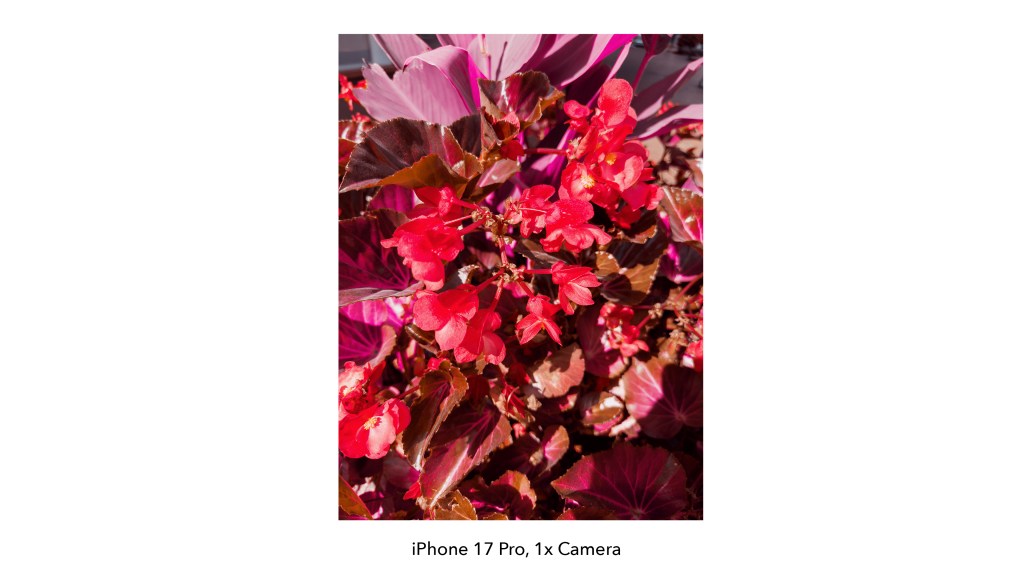
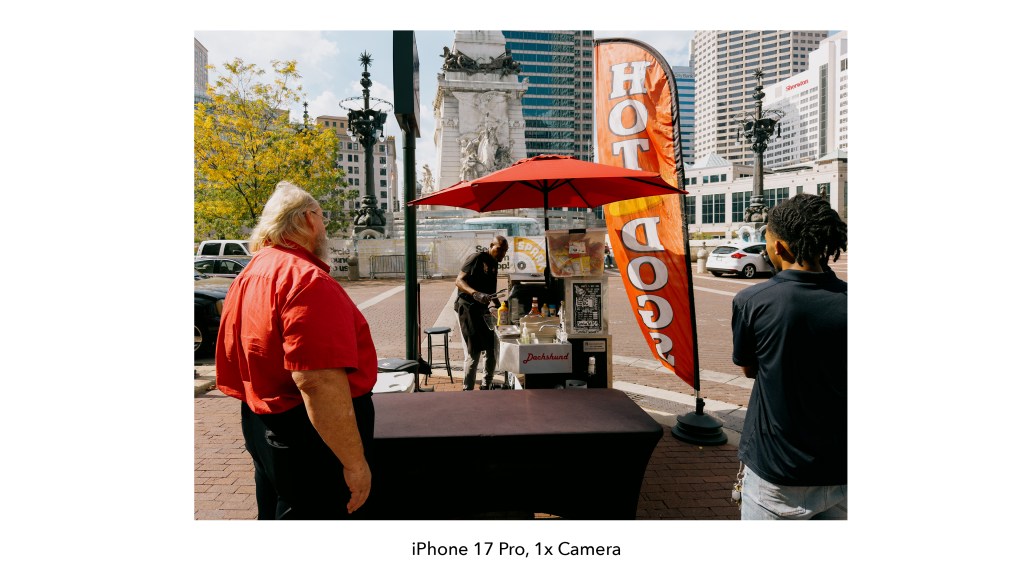
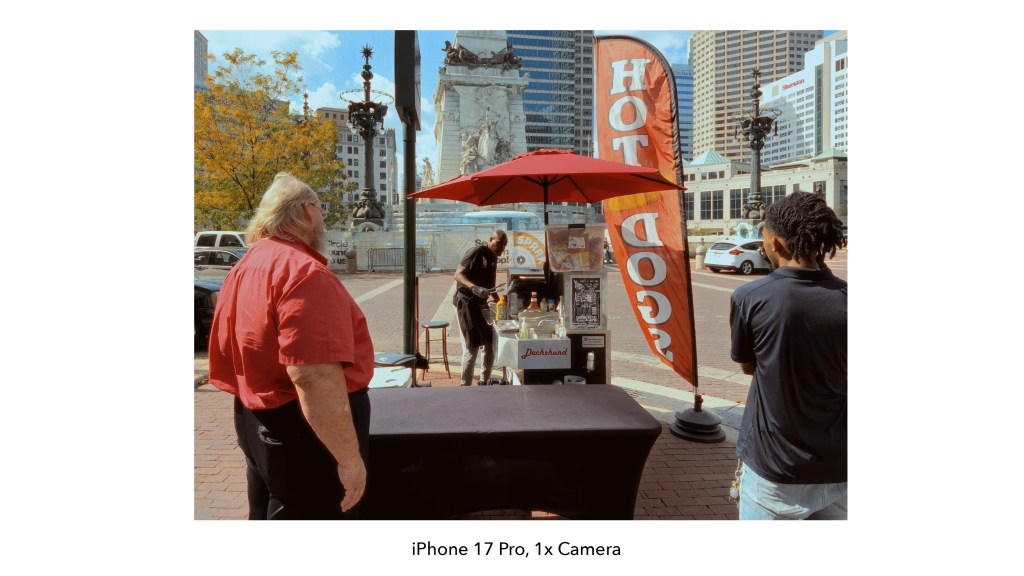
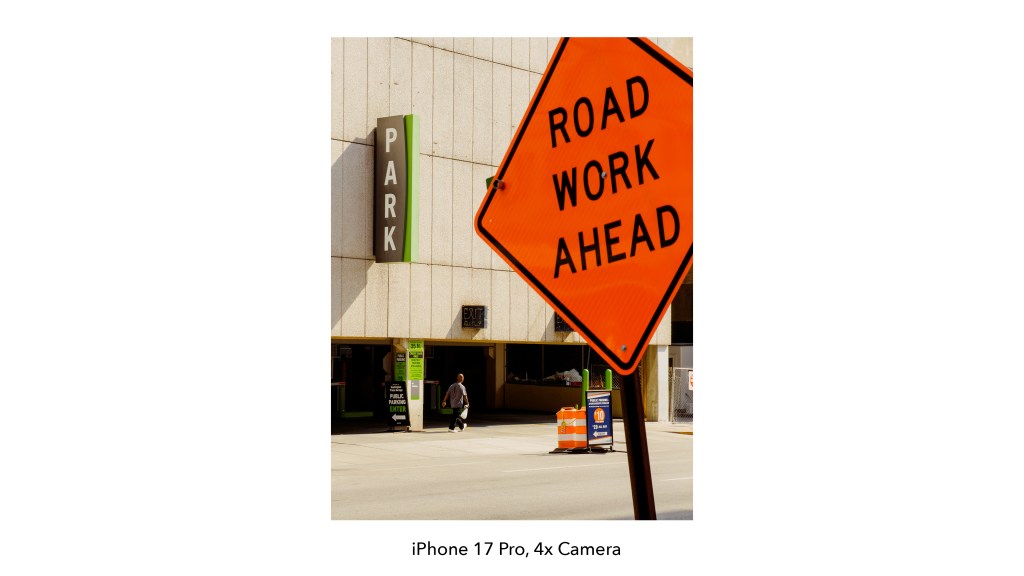
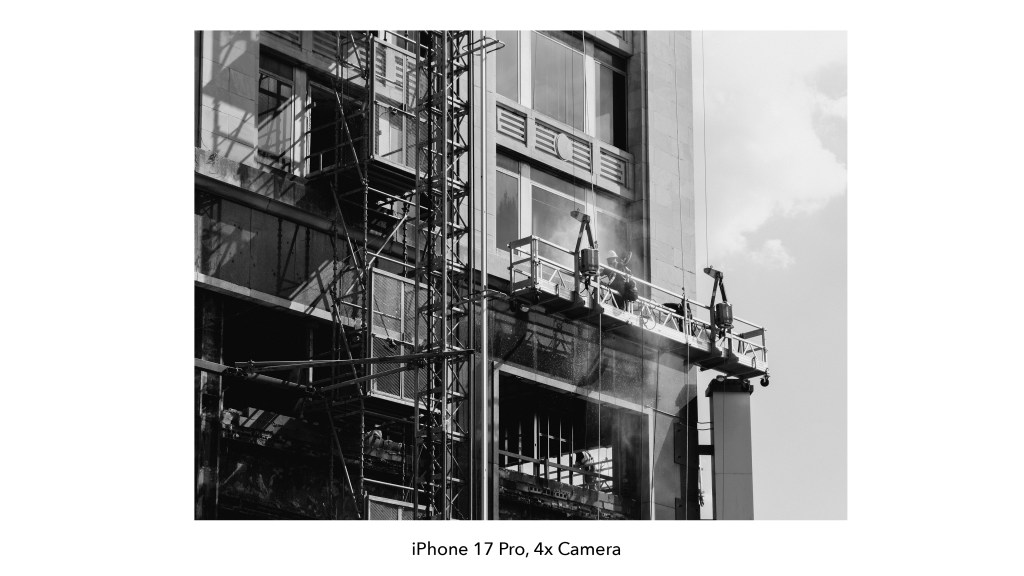
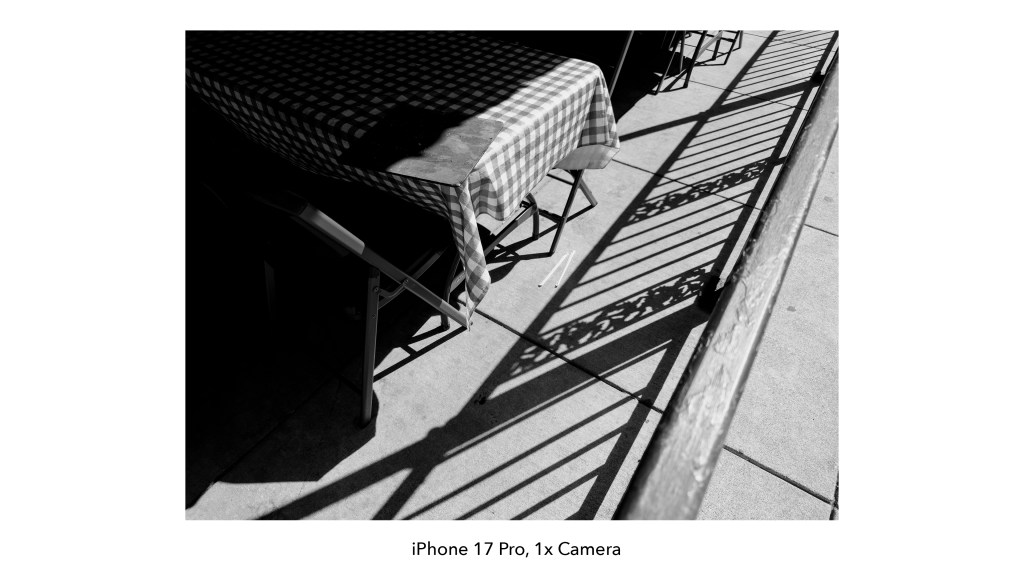
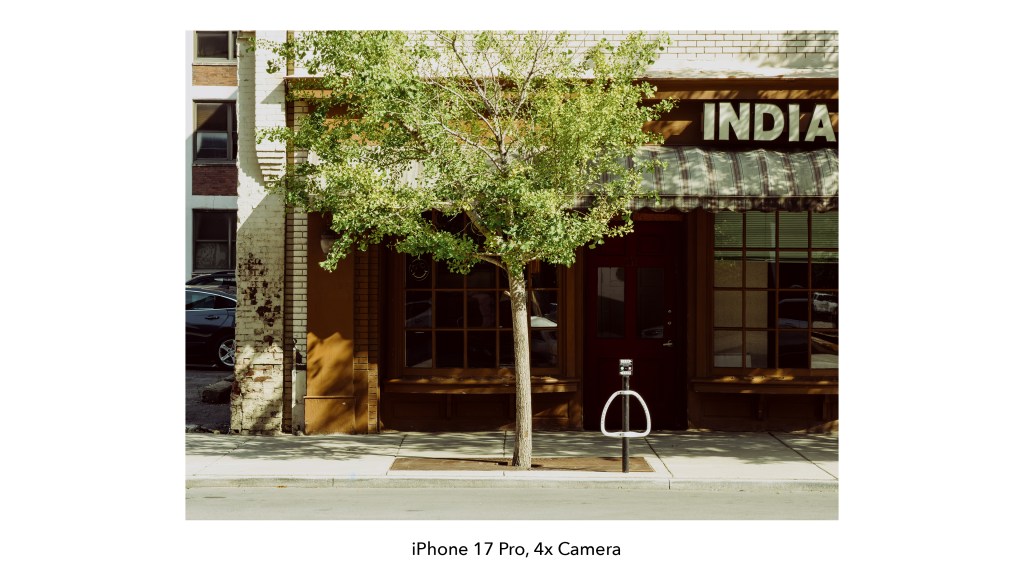
Check out the gallery of images I created below from the afternoon:

 kinda grainy